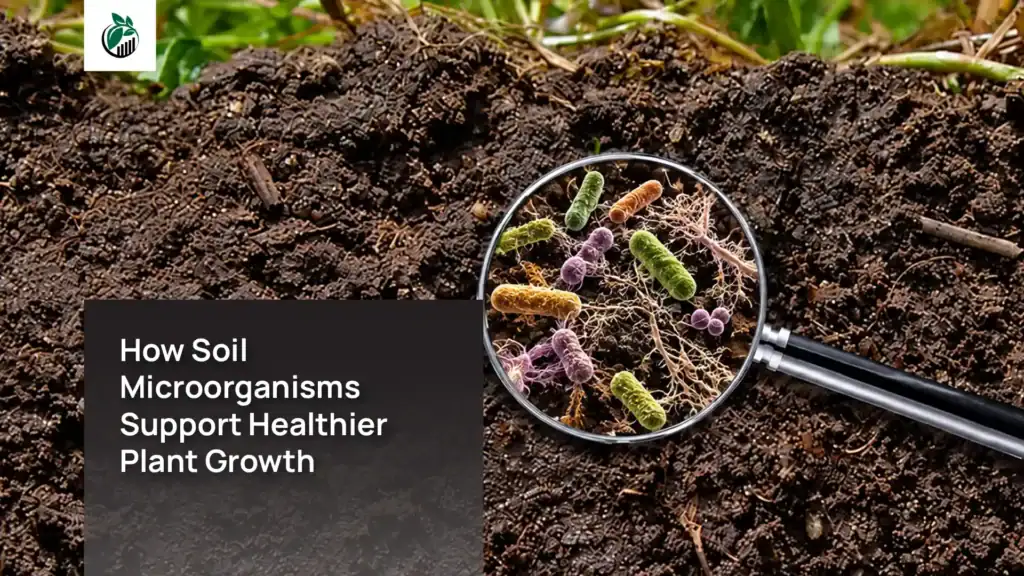
Soil microorganisms are at the heart of every productive farm and garden. While sunlight, water and nutrients are essential for plant development, another equally important factor often remains unseen: the living organisms beneath the soil surface. These organisms help break down organic matter, release nutrients, support root development and maintain the conditions plants need to grow.
Bacteria, fungi, archaea and other microscopic life forms interact with plant roots, organic materials and soil particles. Although they cannot usually be seen without a microscope, their activities influence soil fertility, soil structure and the overall health of an agricultural or garden ecosystem.
Understanding how these organisms function helps farmers, gardeners and agricultural professionals make better decisions about organic farming and soil management. Instead of relying only on fertilisers to supply nutrients, they can adopt practices that encourage beneficial biological activity and improve the soil’s ability to support healthy plants.
What Are Soil Microorganisms?
Soil microorganisms are microscopic organisms that live in soil and contribute to its biological functioning. They occupy spaces between soil particles, interact with plant roots, and help transform organic materials into forms that plants can use. The major groups include:
- Bacteria: participate in decomposition, nutrient cycling and several processes involved in nitrogen availability. Some associate with plant roots and support plant development.
- Mycorrhizal fungi: break down complex organic materials and form partnerships with plant roots, helping plants access water and nutrients, particularly phosphorus. A review in PMC notes phosphorus is one of the hardest nutrients for plants to acquire — which is exactly why this partnership matters.
- Actinomycetes: contribute to the breakdown of resistant organic substances and help form stable soil organic carbon.
- Archaea: participate in important nutrient transformations, including processes related to the nitrogen cycle.
- Microscopic algae and other groups: contribute to biological activity and may influence nutrient availability, depending on soil conditions.
These groups work within a complex ecosystem. Their combined activities maintain the natural processes that make soil productive.
Why Soil Biology Is Trending in India in 2026
Soil biology has moved from academic papers into national policy. The National Mission on Natural Farming (NMNF), with an outlay of Rs 2,481 crore, explicitly recognises the interdependence of soil, water, the microbiome, plants, animals, climate and human wellbeing as a single living system. The mission marks India’s structured shift from chemical-dependent agriculture to a science-backed, traditionally rooted farming model — and restoring soil biology is one of its stated goals.
Research backs this direction. ICAR trial plots practising natural farming registered an increase in soil organic carbon from roughly 0.90% to 1.15% within two to three years — a meaningful gain in a country where most soils currently sit well below 0.5% SOC. Studies show that natural farming boosts soil microbial health by fostering a more heterogeneous population of bacteria, and that adopting these practices for more than five years has a positive cumulative effect on both microbial health and crop productivity.
This makes the current rabi season an ideal time to focus on soil biology. As farms reduce chemical inputs, understanding how microorganisms work and how to protect them becomes a practical skill for every grower.
How Beneficial Microbes Improve Nutrient Availability
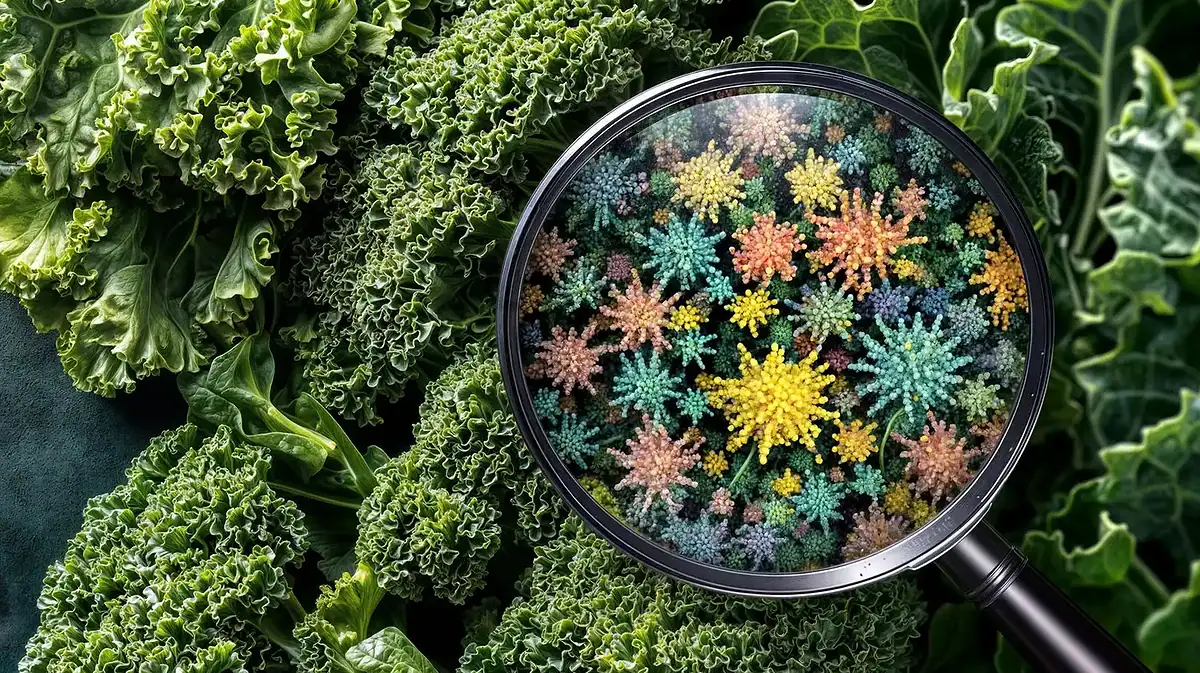
Plants require nutrients such as nitrogen, phosphorus, potassium, calcium and sulphur to grow properly. However, nutrients present in soil are not always available for immediate absorption by roots. Some remain locked within organic materials, while others occur in chemical forms that plants cannot readily use. Beneficial microbes help bridge this gap through three main processes.
1. Nitrogen Fixation
Nitrogen is essential for the development of leaves, stems and other plant tissues. Although the atmosphere contains abundant nitrogen, most plants cannot use it directly. Certain bacteria can convert atmospheric nitrogen into plant-available forms. Rhizobium bacteria, for example, form associations with the roots of leguminous plants such as peas, beans and lentils through specialised root nodules. This is why nitrogen fixation and crop rotation work so well together — legumes in a rotation feed the soil for the following crop. Our guide on improving soil fertility naturally explains how rotation and cover crops fit into this picture.
2. Phosphorus Solubilisation
Phosphorus supports root development, energy transfer and several essential plant functions. Even when soil contains phosphorus, some of it may be in forms that roots cannot easily absorb. Certain bacteria and fungi release compounds that help make some forms of phosphorus more accessible to plants. Mycorrhizal fungi are particularly important here, as the PMC review of mycorrhizas shows.
3. Nutrient Mineralisation
When microorganisms decompose crop residues, compost and other organic materials, they release nutrients through a process known as mineralisation. These nutrients then become available for plant uptake. The rate of release depends on temperature, moisture, oxygen availability and the composition of the organic material. This makes microbial activity in soil a core driver of the nutrient cycle — and one reason compost and vermicompost work so well. The USDA’s Natural Resources Conservation Service describes soil as a living ecosystem precisely because of these biological processes.
The Role of Microbial Activity in Soil Structure
Soil quality depends on more than nutrient content. Physical soil structure determines how easily roots can grow, how water moves through the ground and how much air reaches the root zone.
Some bacteria produce sticky substances that help soil particles bind together, while fungal hyphae, the fine thread-like structures of mycorrhizal fungi, can connect particles and contribute to the formation of soil aggregates. Well-aggregated soil generally offers a better balance of air spaces and water-holding pores, improving root penetration, water infiltration and erosion resistance.
These benefits are especially valuable in fields where repeated cultivation, compaction or the loss of organic matter has weakened soil structure. Our guide on improving soil fertility naturally covers mulching and reduced tillage, both of which protect microbial communities. The FAO’s conservation agriculture approach is built on the same idea of minimum disturbance.
How Soil Biology Supports Root Development
Plant roots are not simply structures that absorb water and nutrients. They interact continuously with the surrounding biological environment. The narrow region of soil directly influenced by roots is called the rhizosphere.
Plants release sugars, organic acids and other substances through their roots, providing food for many microorganisms. In return, certain microorganisms help create conditions that support root development. Some beneficial bacteria produce substances that influence root growth.
Mycorrhizal fungi extend their fine hyphae far beyond the immediate root surface, exploring soil spaces that roots may not reach easily.
The rhizosphere is also where vermicompost and fermented organic manure contribute most directly — adding the organic carbon and nutrients that feed the microbial community right where the roots are. The biochar guides in our Knowledge Centre explain how adding biochar to the root zone can also provide a habitat for beneficial organisms.
Protecting Plants Through Natural Biological Interactions
Plant health depends partly on the balance between helpful and harmful organisms in the surrounding environment. Some beneficial microbes can help limit the activity of particular plant pathogens by competing for space, producing antimicrobial compounds or stimulating the plant’s natural defence responses.
Certain species of Bacillus and Trichoderma, for example, are used in agricultural products designed to support plant health or manage specific soilborne diseases. Their effectiveness depends on the strain, crop, pathogen, application method and environmental conditions.
It is important to understand that beneficial microorganisms are not universal replacements for disease management. They work best as part of an integrated approach that includes crop rotation, suitable irrigation, sanitation, resistant varieties and other appropriate practices.
Organic Soil Health and the Importance of Organic Matter
Organic matter provides an important source of energy and nutrients for many soil microorganisms. Materials such as compost, decomposing leaves, crop residues and suitable organic amendments supply the carbon that supports microbial growth and activity.
Maintaining organic soil health therefore involves more than adding nutrients. It means protecting the biological processes that help soil function over time. Farmers and gardeners can support these processes through:
- Adding mature compost or vermicompost when appropriate for the crop and soil.
- Retaining suitable crop residues rather than removing all organic material.
- Growing cover crops to protect the soil and provide additional biomass.
- Reducing unnecessary soil disturbance where practical.
- Avoiding excessive fertiliser or pesticide use that may harm soil organisms.
- Maintaining appropriate soil moisture and drainage.
- Using crop rotations that support diverse root systems and reduce recurring pest pressure.
Ecotrails Growme’s fermented organic manure and organic manures are practical ways to add the carbon and nutrients that microbial communities need. Our biochar vs compost guide explains how biochar can also provide a stable physical habitat for these organisms over time, while Biochar Green, which combines biochar with multiple nutrient sources, addresses both needs at once.
Factors That Influence Microbial Activity in Soil
Soil microorganisms respond to their environment. Even beneficial species become less active when conditions are unsuitable.
- Soil moisture: microorganisms generally require water for biological processes. Very dry soil restricts activity, while waterlogged conditions reduce oxygen and favour different communities.
- Temperature: microbial activity often increases within a suitable range. Seasonal changes influence how quickly organic matter decomposes and nutrients become available.
- Soil pH and soil testing: acidity or alkalinity affects which microorganisms thrive. A soil test from India’s Soil Health Card scheme gives pH as one of its 12 parameters.
- Aeration and compaction: many organisms require oxygen. Compacted or waterlogged soil restricts air movement and alters microbial activity.
- Organic carbon and nutrient supply: soils with suitable soil organic carbon provide more resources for diverse microbial communities.
Together, these factors shape how effectively soil organisms contribute to nutrient cycling and plant development. Good management addresses them together rather than treating each in isolation.
Practical Ways to Encourage Healthier Soil Microorganisms
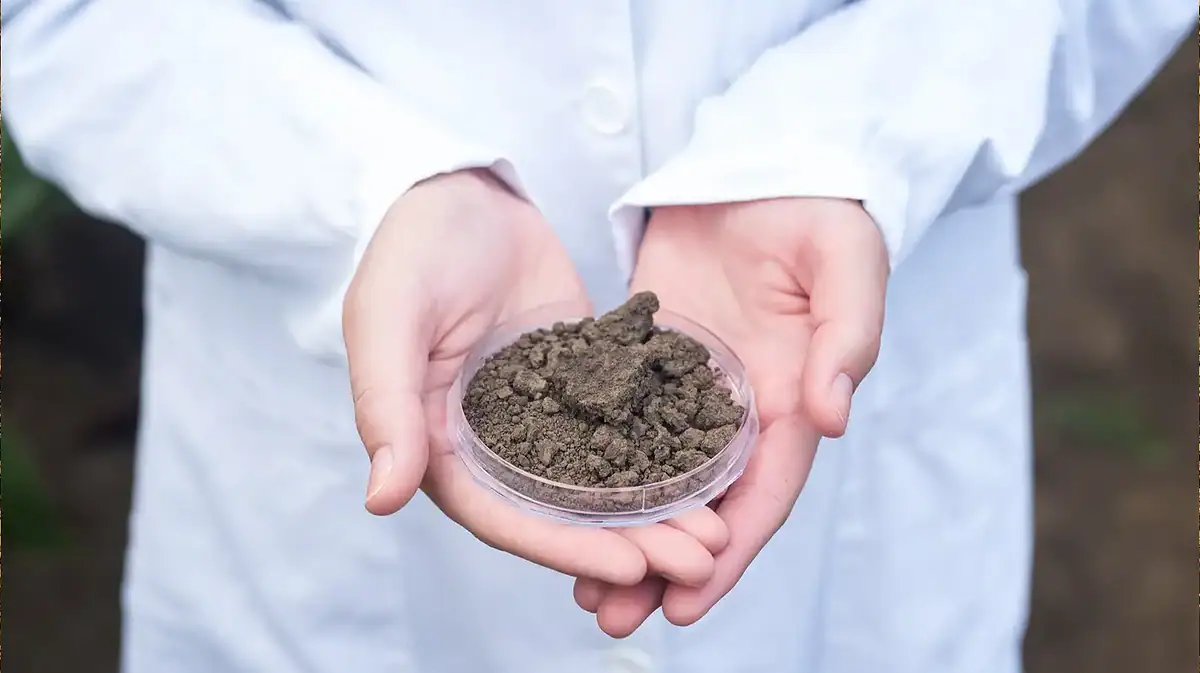
Supporting soil microorganisms does not require complicated interventions. Consistent soil management creates conditions that allow naturally occurring beneficial organisms to function effectively.
Maintain Regular Organic Matter Inputs
Compost, cover crops and retained residues support microbial communities while contributing to soil structure. A small amount of mature compost or vermicompost at each planting cycle makes a measurable difference over several seasons. Our guide to organic soil amendments for vegetable farming covers the options in detail.
Minimise Unnecessary Tillage
Intensive tillage disrupts fungal networks, exposes organic matter to faster decomposition and increases erosion risk. The appropriate level of soil disturbance depends on the farming system, weed pressure and local conditions. Our carbon sequestration guide explains why minimum disturbance also stores more carbon.
Manage Water and pH
Both prolonged dryness and excessive waterlogging interfere with biological activity. Drip irrigation paired with mulching can maintain consistent soil moisture without over-watering. pH correction with appropriate amendments may also help a wider range of organisms thrive.
Use Inputs Responsibly
The goal is not to avoid all agricultural inputs but to apply them according to crop needs, product instructions and environmental considerations. Excessive or poorly timed applications of fertilisers or pesticides can harm the very microorganisms that reduce reliance on those inputs over time.
Consider Microbial Inoculants Carefully
Microbial inoculants can be useful when they are appropriate for the crop and intended purpose. Their performance varies, so product claims should be assessed carefully. Improving soil conditions first generally produces more reliable results than relying on inoculants alone.
Conclusion
Healthy soil is a living system in which soil microorganisms influence nutrient availability, soil structure, root development and the interactions between plants and their environment. Their activities support the essential processes that allow crops and garden plants to establish themselves and grow.
By understanding the role of soil microorganisms, growers can make better decisions about organic matter management, irrigation, soil disturbance and nutrient applications. These decisions help support beneficial microbes, encourage microbial activity in soil and strengthen organic soil health. No single practice guarantees improved plant growth in every situation, but protecting the biological life within soil is a valuable part of building resilient and productive growing systems through sustainable farming.
For more practical guides, explore our Resources & Knowledge Centre. Our farmer testimonials show what growers have achieved by putting these ideas into practice.
Frequently Asked Questions (FAQs)
What are soil microorganisms?
Soil microorganisms are microscopic organisms, including bacteria, fungi, and archaea, that live in soil. They contribute to decomposition, nutrient cycling, soil structure, and interactions between plants and their surrounding environment.
How do beneficial microbes help plants grow?
Beneficial microbes can improve nutrient availability, support root development, and help plants access water and essential minerals. Certain species also compete with specific pathogens or influence plant defense responses.
How can farmers improve microbial activity in soil?
Farmers can encourage microbial activity by maintaining suitable organic matter levels, managing irrigation and drainage, reducing unnecessary soil disturbance, preventing excessive compaction, and applying fertilisers and crop protection products responsibly.
Do all soil microorganisms benefit plants?
No. Some microorganisms support plant growth, while others can cause plant diseases or compete for resources. Their effects depend on the organism, plant species, and environmental conditions. A balanced soil ecosystem includes many different biological groups.
Are microbial fertilisers effective for every crop?
Not necessarily. Microbial products differ in their organisms, intended functions, and effectiveness. Results depend on product quality, crop, soil conditions, application method, and compatibility with existing management practices. Following the product’s instructions is important.
Ready to Feed Your Soil Biology?
Ecotrails Growme’s vermicompost, fermented organic manure and Biochar Green, which combines biochar with multiple nutrient sources, give the soil microbiome the organic matter and habitat it needs. Start with one field or bed and track the difference.
Buy Retail or Wholesale Talk to Us