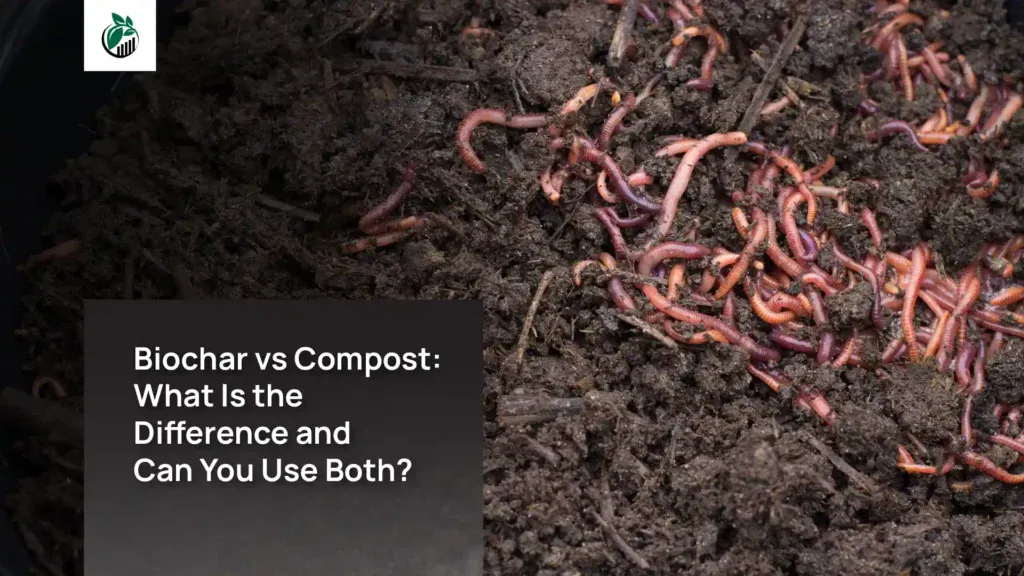
Benefits of vermicompost begin where healthy plants begin: in the soil. While sunlight, water, temperature and suitable growing conditions all matter, the quality of the soil determines how effectively plants can access the nutrients and moisture they need. For gardeners, farmers and anyone interested in sustainable cultivation, improving soil naturally can make a meaningful difference.
Vermicompost is one such natural soil amendment. Produced through the decomposition of organic material with the help of earthworms and microorganisms, it is a nutrient-rich form of organic manure that can support both plant development and long-term soil health.
The benefits of vermicompost extend beyond simply supplying nutrients. Regular use can improve soil structure, moisture retention, microbial activity and nutrient availability. When incorporated appropriately into a growing system, vermicompost can create a healthier environment in which plants can establish roots and develop more consistently.
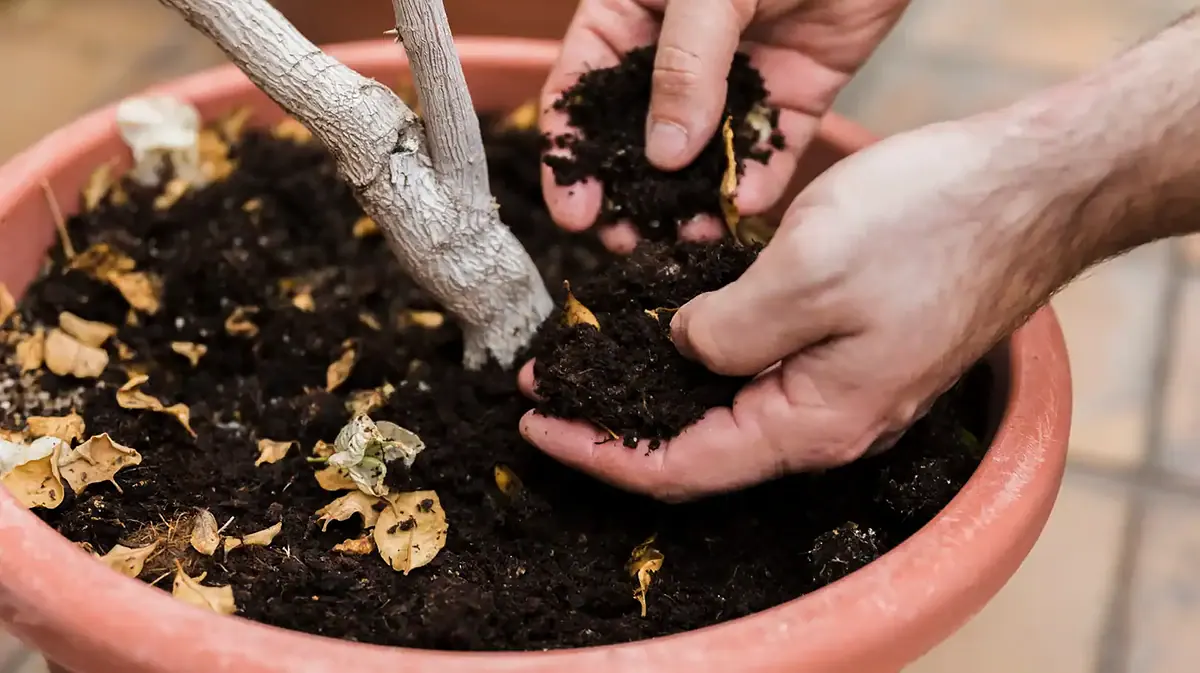
What Is Vermicompost?
Vermicompost is an organic material produced when earthworms break down biodegradable waste under controlled conditions. The process, known as vermicomposting, converts materials such as vegetable scraps, crop residues, leaves and other suitable organic matter into a dark, crumbly substance that can be used to enrich soil.
Earthworms play a central role in this process. As they consume and digest organic matter, they produce castings that contain nutrients and beneficial microorganisms. These castings are then combined with decomposed organic material to create vermicompost.
Unlike synthetic fertilisers, vermicompost contributes organic matter to the soil while releasing nutrients in a more naturally integrated way. This makes it useful for gardens, farms, nurseries, container plants and other growing environments. Many of the general benefits of compost apply to vermicompost too, and our biochar vs compost guide explains how compost compares with other soil amendments.
How Vermicomposting Works
The quality of the final compost depends considerably on how the process is managed. Earthworms require suitable moisture, temperature, oxygen and organic material to remain active. The basic process generally involves:
- Preparing a suitable container, bed or composting area
- Adding appropriate biodegradable organic material
- Introducing suitable earthworm species
- Maintaining adequate moisture and aeration
- Allowing worms and microorganisms to break down the material
- Collecting the mature compost once decomposition is sufficiently complete
Common materials can include fruit and vegetable residues, dried leaves, crop waste and other biodegradable materials. Materials that may harm earthworms or create unsuitable conditions should be avoided. A well-maintained system produces compost with a pleasant earthy smell and a loose, dark appearance.
In India, ICAR’s Krishi Vigyan Kendras, such as the KVK in North Goa, run farmer training on vermicompost production.
Benefits of Vermicompost for Plant Growth
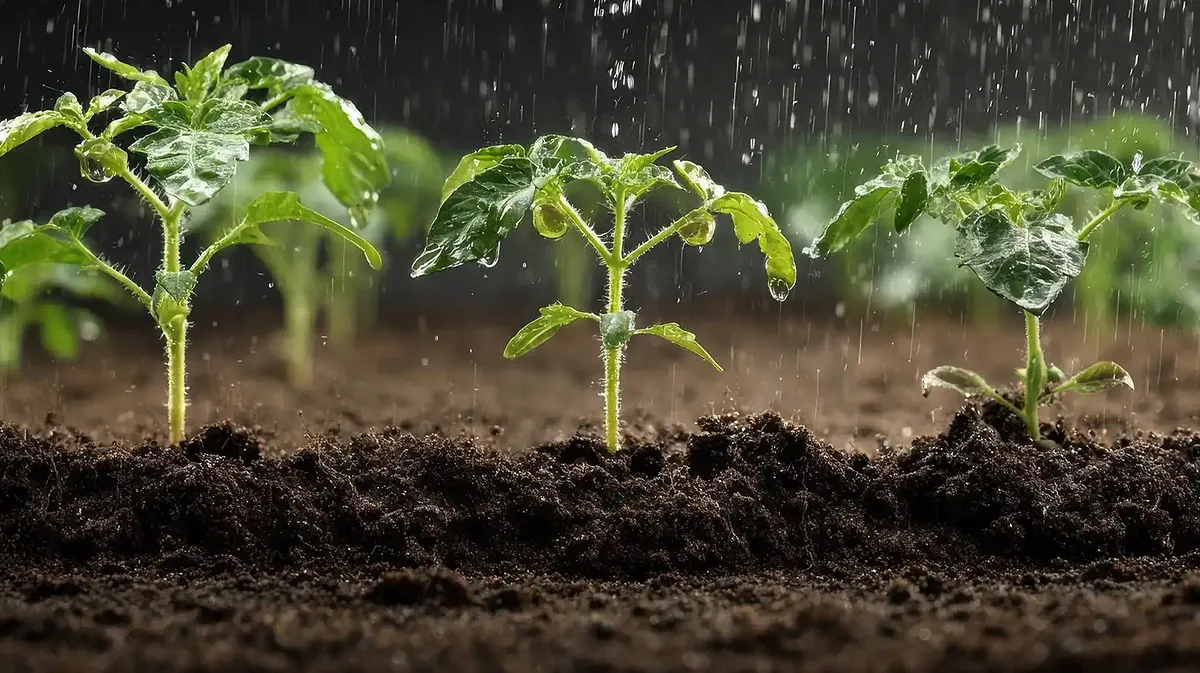
One of the most important benefits of vermicompost is its ability to support a favourable growing environment. It contains a combination of nutrients and organic matter that can help plants establish stronger roots and maintain healthy development. A 2023 review in the journal Agronomy links its effect on plant growth to essential nutrients, beneficial microbes, plant growth hormones and humic substances.
Vermicompost for plants can be especially useful when soil has low organic matter or when gardeners want to reduce dependence on purely synthetic inputs. Some potential benefits include:
- Improved nutrient availability
- Better root development
- Increased soil organic matter
- Improved moisture retention
- Better soil structure
- Support for beneficial microbial activity
- More balanced plant growth
The exact nutrient composition varies depending on the organic materials used and the conditions under which the compost was produced. Vermicompost should therefore be viewed as part of a broader soil-management approach, alongside practices such as crop rotation, cover crops and mulching, rather than as a universal replacement for every other fertilisation method.
Improving Soil Structure
Good soil structure allows roots to spread, water to move and air to reach the underground root zone. Compacted or poorly structured soil can restrict root development and make it harder for plants to access available resources.
Vermicompost adds organic matter that can help improve the physical condition of soil. When incorporated into suitable soil, it works as an organic soil conditioner, contributing to a more friable texture and creating conditions that are easier for roots to penetrate. This can be particularly helpful in soils that are heavily compacted or low in organic material.
Improved structure can also support better drainage. Healthy soil should retain sufficient moisture without remaining continuously waterlogged. The US Environmental Protection Agency notes that compost improves the physical, chemical and biological characteristics of soil, which helps create a more balanced environment for plant roots.
Supporting Soil Nutrients
Plants require a range of nutrients to grow, develop leaves, produce flowers and form fruits. Major nutrients such as nitrogen, phosphorus and potassium are needed in different quantities, while several micronutrients are also important for healthy plant development.
Vermicompost can contribute a range of soil nutrients in organic forms. Its nutrient availability may also be influenced by microbial activity and the gradual decomposition of organic matter. This is one reason it is often used alongside other soil-management practices. Instead of focusing only on supplying individual nutrients, it contributes to the overall biological and physical health of the growing medium.
Regular soil testing can still be useful, particularly in agricultural settings, because it shows existing nutrient levels and helps determine whether additional amendments are required. In India, the government’s Soil Health Card scheme tests 12 soil parameters and gives fertiliser recommendations. For a wider look at soil fertility, read our guide on how to improve it naturally.
Improving Moisture Retention
Water management is an important part of successful cultivation. Soil that dries out too quickly can place plants under stress, while excessive water can reduce oxygen around the roots.
Organic matter can influence the soil’s ability to hold and release moisture. By adding vermicompost appropriately, gardeners may improve the water-holding characteristics of some soils, supporting water retention in soil while maintaining better structure.
This does not mean vermicompost eliminates the need for regular irrigation. Rather, it can help create a more supportive soil environment in which available moisture is retained more effectively. For container gardening, this can be particularly valuable because growing media often have limited organic matter and can dry out relatively quickly.
Encouraging Beneficial Microbial Activity
Healthy soil is a living environment containing bacteria, fungi, earthworms and other organisms. The USDA’s Natural Resources Conservation Service describes healthy soil as a living ecosystem that sustains plants, animals and people. These organisms contribute to decomposition and nutrient cycling, making nutrients available to plants in forms they can use.
Vermicompost contains a biologically active component that can support this living soil environment. Its organic matter provides resources for microorganisms, while the composting process itself encourages biological transformation.
This is an important distinction between simply feeding a plant and improving the soil in which the plant grows. A healthier soil ecosystem can contribute to more sustainable plant production over time.
Vermicompost as Organic Manure
Vermicompost is widely valued as organic manure because it adds decomposed organic matter while supplying nutrients. It can be incorporated into garden beds, mixed into potting media or applied around established plants in appropriate quantities. Tamil Nadu Agricultural University’s agritech portal notes that vermicompost technology has strong potential to meet manure needs in both irrigated and rainfed areas.
Its use can fit well within organic farming and sustainable cultivation, particularly when the original composting materials are responsibly sourced. Ecotrails Growme’s vermicompost and fermented organic manure are two ready-made options, and our guide to organic manures compares more.
However, more is not always better. Applying excessive quantities may not provide additional benefits and can create nutrient or moisture-management issues. The application rate should depend on the crop, soil condition, growing medium and quality of the compost. For household gardening, mixing a moderate amount into the growing medium is generally more practical than applying a thick layer directly against plant stems.
How to Use Vermicompost for Plants
The appropriate method depends on the type of plant and growing environment. For garden beds, mature vermicompost can be mixed into the upper layer of soil before planting. For containers, it can be blended with the potting medium. Around established plants, a small amount can be incorporated into the surrounding soil without disturbing the main root system. It can also be part of a broader soil-amendment programme.
When applying it, consider:
- Using mature, well-processed material
- Avoiding excessive application
- Mixing it evenly with soil or growing media
- Keeping compost away from direct contact with sensitive stems
- Adjusting application according to plant requirements
- Monitoring plant growth and soil condition
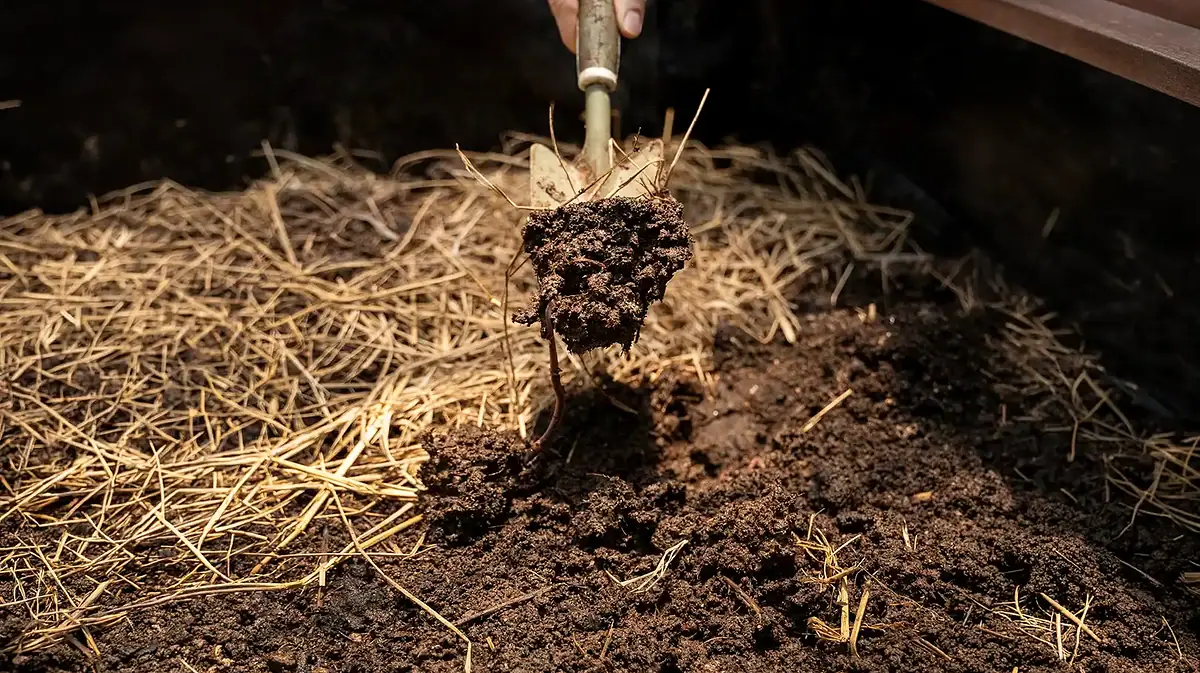
Quality matters as much as quantity. Properly processed compost should be free from obvious contaminants and unsuitable materials. If you also want the longer-lasting carbon of biochar, Biochar Green combines biochar and vermicompost in one product.
Benefits for Different Types of Plants
Vermicompost can be used across a wide range of growing systems. Vegetables, herbs, flowering plants, ornamental plants, fruit crops and many container-grown species can benefit from improved soil conditions.
For flowering plants, healthier soil can support root development and overall plant vigour. For vegetables, adequate organic matter and nutrient availability can contribute to productive growth when combined with suitable water, sunlight and other growing conditions. Young plants may also benefit from a well-balanced growing medium, because healthy root establishment is essential during the early stages of development.
Nevertheless, plant requirements vary. Some species prefer leaner, well-drained conditions and may not respond well to heavy organic amendments. Understanding the needs of the specific crop remains important.
Vermicompost and Sustainable Gardening
Another important advantage of vermicomposting is its ability to turn suitable organic waste into a useful soil resource. Kitchen scraps, garden residues and other biodegradable materials can otherwise contribute to household or agricultural waste. The US EPA notes that composting food scraps reduces emissions, while using the finished compost helps build healthy soils.
When managed correctly, vermicomposting provides an alternative pathway for these materials. Instead of treating organic matter solely as waste, it becomes an input that can return nutrients and carbon to the soil. This supports a circular view of gardening and agriculture: organic material is collected, processed, returned to the soil and used to support another cycle of plant growth.
That circular thinking is central to sustainable farming and to organic farming in India. For households, schools, community gardens and small farms, vermicomposting can also be an accessible way to learn about soil health and responsible waste management. Our earlier article on vermicompost and healthier soil goes deeper.
Common Mistakes to Avoid
Although vermicomposting is relatively simple, poor management can affect the quality of the finished material. Some common mistakes include:
- Keeping the composting system excessively wet
- Allowing the material to become too dry
- Adding unsuitable food or waste
- Overfeeding the worms
- Failing to provide adequate aeration
- Harvesting compost before it is mature
- Using contaminated organic material
A balanced environment is important for earthworms and microorganisms. Regular observation can help identify problems before they affect the entire system.
Conclusion
The benefits of vermicompost go beyond providing an additional source of plant nutrients. By adding organic matter, supporting soil biology, improving structure and helping manage moisture, vermicompost can contribute to a healthier environment for plant growth.
Its value lies particularly in the way it connects plant nutrition with long-term soil care. Used responsibly, earthworm compost can become an important part of sustainable gardening and agricultural practices. Our farmer testimonials share how growers have used it.
Whether it is added to a vegetable garden, mixed into potting media or incorporated into agricultural soil, vermicompost offers a natural way to improve growing conditions. Combined with appropriate irrigation, crop selection, sunlight and other good cultivation practices, it can help build soil that supports healthy plants season after season. For more practical guides, explore our Resources & Knowledge Centre.
Frequently Asked Questions (FAQs)
What are the main benefits of vermicompost?
The main benefits of vermicompost include improved soil structure, better moisture retention, increased organic matter, support for beneficial microorganisms, and improved availability of nutrients required for plant growth.
Is vermicompost suitable for all plants?
Many plants can benefit from vermicompost, but their requirements differ. Some plants prefer lower-nutrient or highly drained growing conditions. Application should therefore be adjusted according to the needs of each plant.
How often should vermicompost be added to soil?
The frequency depends on the plant, soil condition, growing medium, and quality of the compost. Rather than following one fixed schedule, gardeners should observe soil and plant conditions and apply appropriate quantities when needed.
Is vermicompost the same as regular compost?
No. Both are forms of organic compost, but vermicompost is produced with the help of earthworms as a central part of the decomposition process. Regular compost generally relies primarily on microbial decomposition.
Can vermicompost replace chemical fertilisers?
Vermicompost can contribute nutrients and improve soil quality, but it should not automatically be considered a complete replacement for every fertilisation requirement. Soil testing and crop-specific nutrient management can help determine what additional inputs may be necessary.
Ready to Try Vermicompost?
Ecotrails Growme’s vermicompost suits garden beds, farm fields and potted plants. Start with a small area, watch how your plants respond, then scale up.
Buy Retail or Wholesale Talk to Us
Pingback: Ecotrails Growme Biochar Green: Combining Biochar and Nutrients for Better Soil - ecotrailsgrowme.com
Pingback: Why Choose Ecotrails Growme Vermicompost for Your Farm and Garden? - ecotrailsgrowme.com
Pingback: Water Retention in Soil: How Biochar Helps in 5 Easy Steps
Pingback: Carbon Sequestration in Agriculture: 4 Proven Soil Practices
Pingback: Organic Soil Amendments: 6 Easy Steps for Vegetable Farming