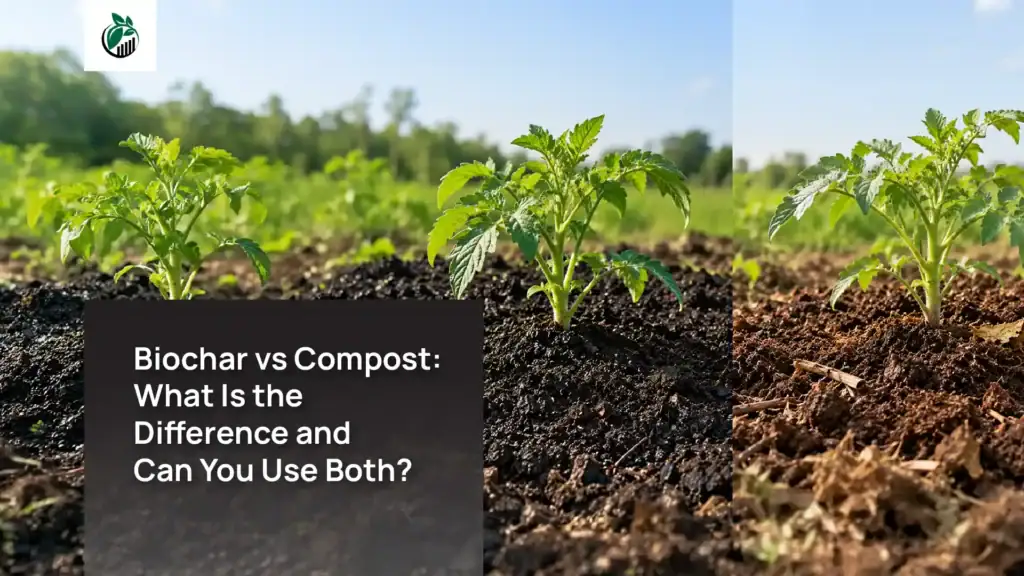
Biochar vs compost is a question more growers are asking, because healthy soil is the foundation of productive gardening and agriculture. Soil supports plant roots, stores water, cycles nutrients and provides a habitat for countless microorganisms. When it becomes depleted, compacted or low in organic matter, plants may struggle even when fertilisers are regularly applied.
This is why organic soil amendments such as compost and biochar have attracted growing attention. Both can contribute to better soil, but they do so in different ways. Understanding the difference between biochar vs compost can help gardeners, farmers and land managers choose the right amendment for their specific soil conditions.
Compost is a familiar material made from decomposed organic matter. Biochar, on the other hand, is a carbon-rich material produced by heating biomass under limited oxygen. Their properties, applications and effects on soil are therefore quite different.
The good news is that these materials do not necessarily need to be treated as alternatives. In many situations, using biochar and compost together can create a complementary approach to improving soil health.
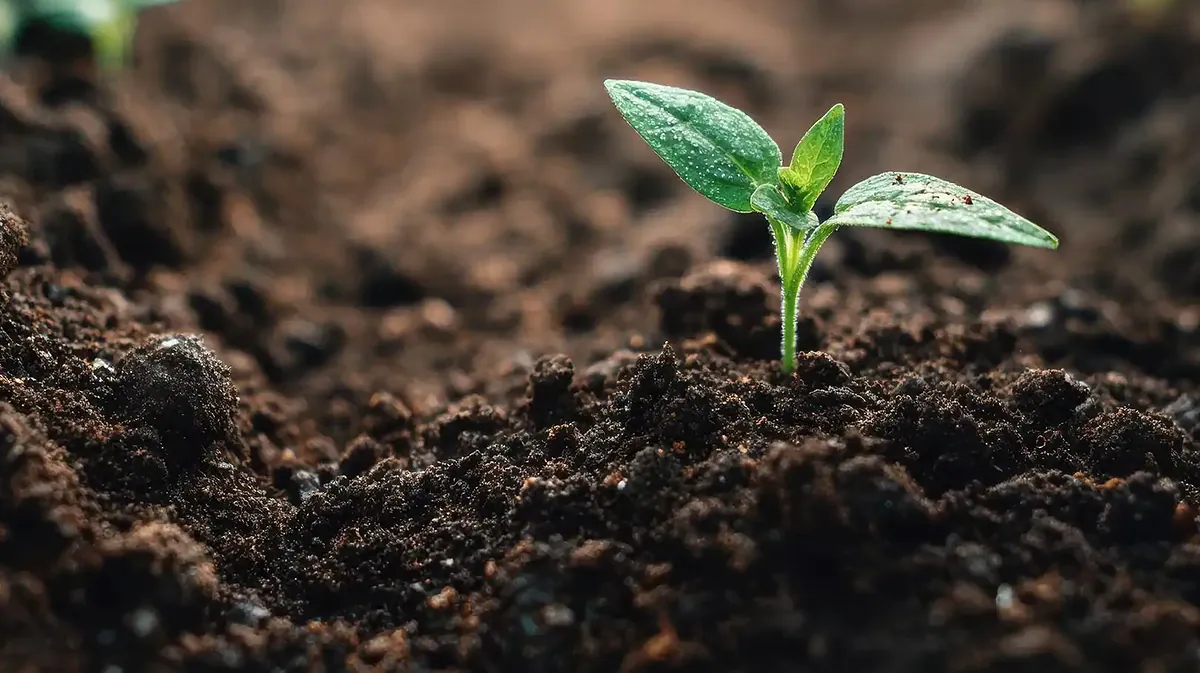
What Is Compost?
Compost is organic material that has been decomposed through controlled biological processes. Composting can turn plant residues, leaves, food scraps and other suitable organic matter into a valuable soil amendment.
As microorganisms break down these materials, they produce a dark, stable material containing organic matter and nutrients. Mature compost can be incorporated into soil or applied around plants as an amendment. Vermicompost, made with the help of earthworms, is one widely used type, and our vermicompost guide explains how it is produced.
One of the major benefits of compost is its ability to improve the overall physical and biological condition of soil. Compost can help:
- Add organic matter
- Improve soil structure
- Support beneficial microorganisms
- Increase water-holding capacity
- Supply small amounts of plant nutrients
- Improve the condition of degraded soils
The exact nutrient content of compost depends on the materials used to produce it and how it was processed. For this reason, compost should not automatically be treated as a complete fertiliser.
What Is Biochar?
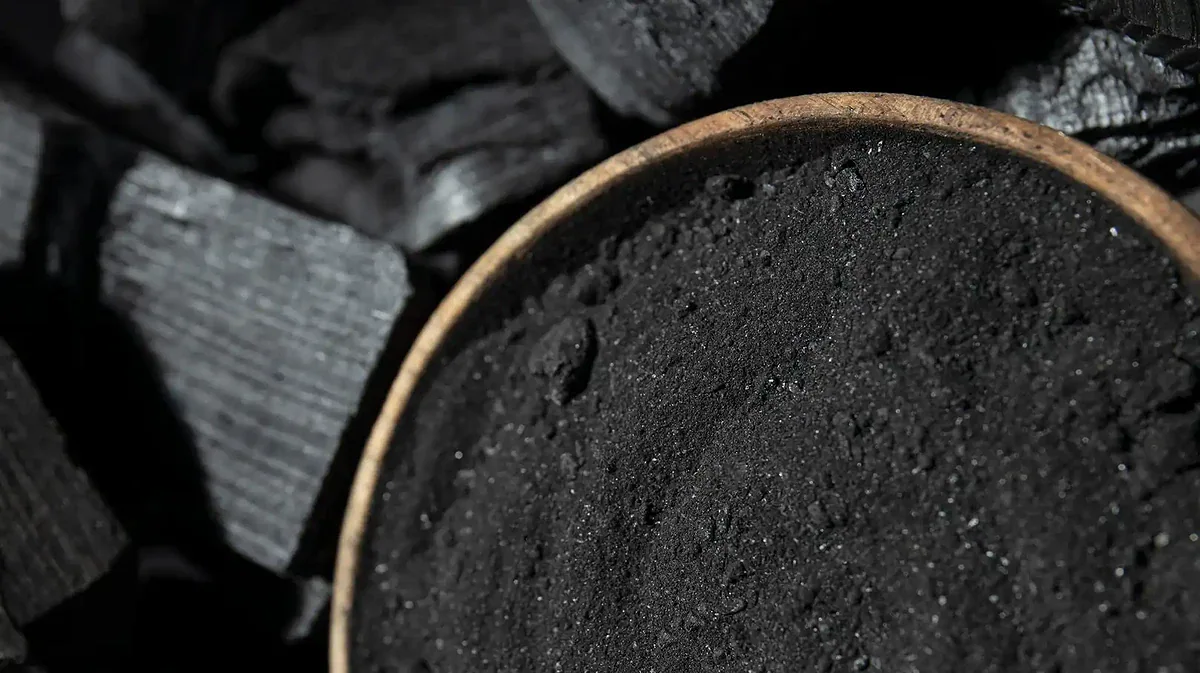
The biochar meaning is simple: it is a carbon-rich material made by heating organic biomass under conditions with little or no oxygen. This process, known as pyrolysis, changes the physical and chemical characteristics of the original biomass. The International Biochar Initiative develops guidelines for biochar used in soils.
Unlike compost, biochar is relatively resistant to decomposition. Its structure can contain numerous small pores, which contribute to its distinctive physical properties. Biochar can influence soil by affecting water retention, nutrient interactions and microbial habitats. However, its performance depends heavily on the feedstock, production process, application rate and characteristics of the soil where it is used.
Biochar is therefore not simply another form of compost. It is a different type of soil amendment with a different role, which shapes the uses of biochar on farms and in gardens. For a fuller introduction, read our guide on how biochar improves soil health.
Biochar vs Compost: The Main Difference
The simplest way to understand biochar vs compost is to consider how each material behaves after being added to soil.
Compost is biologically active and relatively easy for soil organisms to decompose further. It contributes organic matter and nutrients while supporting microbial activity. Biochar is more stable and can remain in soil for much longer. Its porous structure can influence the physical and chemical environment around plant roots and microorganisms.
A basic comparison looks like this:
| Feature | Compost | Biochar |
|---|---|---|
| Origin | Decomposed organic material | Biomass heated under limited oxygen |
| Main role | Adds organic matter and nutrients | Adds stable carbon and modifies soil properties |
| Decomposition | Relatively active | Relatively slow |
| Nutrient contribution | Often provides nutrients | Nutrient content varies widely |
| Biological activity | Supports microbial communities | Can provide habitat for microorganisms |
| Water effects | Can improve water-holding capacity | May improve water retention in some soils |
| Typical use | Soil amendment and fertility improvement | Soil conditioning and carbon-rich amendment |
The table highlights an important point: neither material is universally better. Their usefulness depends on what the soil needs.
How Compost Supports Soil Health
Compost primarily works by adding decomposed organic matter to the soil. Organic matter plays an important role in maintaining soil structure. It can help improve aggregation, support microorganisms and influence the movement and storage of water. The US Environmental Protection Agency notes that compost improves the physical, chemical and biological characteristics of soil.
Compost can be particularly useful in soils that are low in organic matter. Sandy soils may benefit from improvements in water and nutrient retention, while heavier soils may benefit from better aggregation and structure.
Its biological activity is also important. Compost provides microorganisms with organic compounds that can support an active soil ecosystem.
However, compost should be properly matured before application. Poorly finished compost may contain materials that can interfere with plant growth or create unpleasant conditions. Finished products such as Ecotrails Growme’s vermicompost and fermented organic manure are an easy way to start.
How Biochar Supports Soil Health
Biochar’s role is different. Its porous structure can provide surfaces where microorganisms and nutrients interact. Depending on its characteristics, biochar may also influence nutrient availability and water retention in soil. A meta-analysis of 82 studies found gains in plant-available water in coarse and medium-textured soils, but a decrease in fine-textured ones.
Some biochars are alkaline, meaning they can raise soil pH. This can be useful in acidic soils but undesirable where soil pH is already high. Biochar can therefore be highly context-dependent. Before applying it, growers should consider:
- Soil pH
- Soil texture
- Existing nutrient levels
- Biochar feedstock
- Production method
- Application rate
- Intended crop
There is no single biochar product that behaves identically in every soil. That is why certification schemes such as the European Biochar Certificate set quality and contaminant limits for different uses.
Can You Use Biochar and Compost Together?
Yes. In many situations, combining biochar and compost can be a practical approach. The two materials can complement one another because compost provides biologically active organic matter and nutrients, while biochar offers a more stable carbon-rich structure.
One common approach is to mix biochar with compost before applying the mixture to soil. This can allow the biochar to become exposed to nutrients and microorganisms before or during soil application. This practice is sometimes referred to as charging or conditioning biochar, and it is the idea behind Biochar Green, which combines biochar and vermicompost in one product.
The precise method and application rate should depend on the materials and the soil. Applying large quantities of unconditioned biochar without considering soil chemistry may not produce the desired result.
Why Combine Biochar and Compost?
The potential advantage of combining the two amendments comes from their different properties. Compost can provide readily available organic matter and nutrients, while biochar can provide a stable structure that interacts with water, nutrients and microorganisms. A review of 634 publications found that biochar-compost mixtures were generally more effective at improving soil properties and crop yields than biochar alone.
When used appropriately, biochar and compost may work together to support several aspects of soil health. Potential advantages include:
- Increased organic matter
- Improved soil structure
- Better nutrient management
- Support for microbial activity
- Improved water retention in some soil types
- Long-term carbon storage through stable biochar
On carbon storage, a widely cited study in Nature Communications estimated that sustainably produced biochar could offset up to 12% of current human-caused emissions at its maximum potential. However, results in the field are not guaranteed. Soil conditions and amendment quality make a significant difference.
Choosing Between Biochar and Compost
The choice between the two should begin with the actual problem you are trying to solve. If soil is low in organic matter and needs a readily decomposable amendment, compost may be the more straightforward option. If the goal involves adding stable carbon or modifying particular soil properties, biochar may be worth considering.
For many gardens and agricultural systems, there is no reason to choose only one. A combination may make sense when both organic matter and longer-lasting carbon-rich material are appropriate.
Soil testing can provide useful information before making this decision, particularly regarding pH and nutrient levels. In India, the government’s Soil Health Card scheme tests 12 soil parameters and gives fertiliser recommendations.
Biochar and Compost in Organic Farming
Both materials can have a role in organic farming, although their use should follow the applicable organic certification standards and local regulations. Organic farming focuses on maintaining soil fertility through biological processes, crop diversity, organic inputs and careful resource management. Our article on organic farming in India covers the wider picture.
Compost fits naturally into this approach because it returns decomposed organic material to the soil. Biochar in agriculture can also be incorporated into certain soil management systems, provided its production and use meet relevant requirements.
Neither amendment should be viewed as a replacement for broader soil management practices. Crop rotation, cover crops, reduced erosion, appropriate irrigation and responsible nutrient management remain important components of a healthy agricultural system.
Common Mistakes When Using These Amendments
Using an amendment simply because it is described as natural or organic does not guarantee good results. Several mistakes are worth avoiding.
First, do not assume that more is always better. Excessive applications can change soil chemistry or nutrient availability in undesirable ways.
Second, avoid using immature compost. Compost should be sufficiently decomposed before being incorporated into growing areas.
Third, do not apply biochar without considering its properties. Different biochars can vary substantially in pH, ash content, nutrient levels and physical structure.
Finally, remember that amendments should address a specific soil need. A soil test and basic understanding of existing conditions can prevent unnecessary applications.
A Practical Approach to Using Both
For gardeners and growers interested in biochar and compost, a sensible approach is to begin with the soil rather than the product. Start by assessing:
- Soil texture and structure
- Organic matter levels
- Soil pH
- Nutrient availability
- Drainage and moisture retention
- Crops being grown
Once the soil condition is understood, choose amendments accordingly. If both materials are appropriate, biochar can be blended with mature compost before application. Begin with conservative amounts and observe how the soil and plants respond.
Over time, improvements in soil structure, plant performance and moisture behaviour can help determine whether the approach is working. Our farmer testimonials share how other growers have worked with these inputs.
The Bigger Picture of Soil Management
The discussion around biochar vs compost should not distract from a broader principle: soil fertility is built through consistent management. No amendment can compensate completely for erosion, continuous monocropping, poor drainage or excessive disturbance.
Long-term soil health can be supported by combining organic amendments with practices such as:
- Cover cropping
- Crop rotation
- Mulching
- Reduced soil disturbance
- Erosion control
- Responsible irrigation
- Balanced nutrient management
These practices work together to create a more resilient growing environment, and several of them are core principles of the FAO’s conservation agriculture approach. Our guide on how to improve soil fertility naturally walks through each one.
Conclusion
The difference between biochar vs compost comes down largely to their composition, stability and function in soil. Compost is decomposed organic matter that can add nutrients, organic material and biological activity. Biochar is a more stable, carbon-rich material that can influence soil structure, water and nutrient interactions.
Neither should be considered a universal solution. The right choice depends on soil conditions, crop requirements and the characteristics of the amendment itself.
In many cases, using biochar and compost together can be a sensible strategy because their properties complement each other. Compost can provide active organic matter and nutrients, while biochar can contribute longer-lasting carbon and a porous structure. Used thoughtfully and alongside good soil management, both materials can contribute to healthier, more productive soil. For more practical guides, explore our Resources & Knowledge Centre.
Frequently Asked Questions (FAQs)
Is biochar better than compost?
Neither is universally better. Compost is particularly useful for adding organic matter and supporting biological activity, while biochar provides stable carbon and can influence soil properties. The best choice depends on soil conditions and management goals.
Can you mix biochar and compost?
Yes. Mixing biochar with mature compost before application can be a practical way to use both amendments. The appropriate ratio and application method depend on the soil, biochar characteristics and intended crop.
What are the main compost benefits?
Compost can add organic matter, support soil microorganisms, improve soil structure and contribute nutrients. It may also improve water-holding capacity, depending on the soil and the compost used.
Does biochar add nutrients to soil?
Some biochars contain nutrients, but their nutrient content varies considerably. Biochar is generally better understood as a soil-conditioning material rather than a complete fertiliser.
Is biochar suitable for organic farming?
Biochar may be used in some organic farming systems, but growers should check applicable organic certification standards and local regulations before using a particular product.
Want to Try Both?
Biochar green offers biochar enriched with a curated blend of organic manures including vermicompost and fermented manure with microbial inoculants – all in one convenient product.
Buy Retail or Wholesale Talk to Us
Pingback: Benefits of Vermicompost: 7 Powerful Ways to Improve Soil
Pingback: Water Retention in Soil: How Biochar Helps in 5 Easy Steps
Pingback: Organic Soil Amendments: 6 Easy Steps for Vegetable Farming
Pingback: What Is Fermented Organic Manure? 5 Proven Soil Benefits
Pingback: Pure Biochar for Agriculture: 5 Benefits,& Bulk Supply Guide