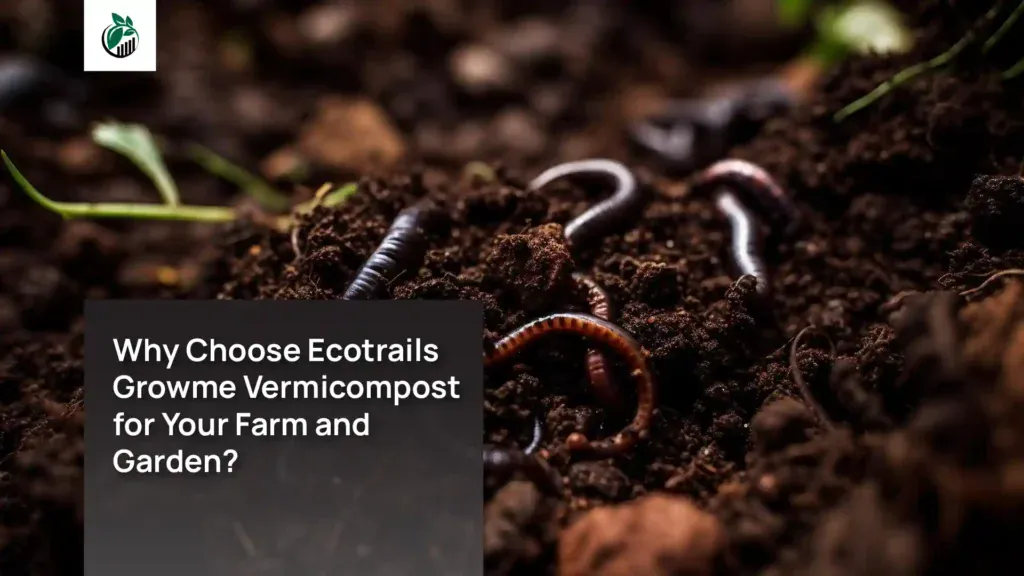
Healthy plants begin with healthy soil. Whether growing vegetables in a home garden or managing crops across agricultural land, the quality of the soil plays an important role in plant growth, nutrient availability, and long-term productivity.
Yet repeated cultivation, limited organic matter, and unbalanced fertilisation can gradually affect soil quality. Maintaining a productive growing environment therefore requires more than simply supplying nutrients whenever plants show signs of deficiency.
Organic vermicompost offers a practical way to support soil health through decomposed organic matter and naturally occurring plant nutrients. Produced with the help of earthworms and microorganisms, it can contribute to soil enrichment while complementing responsible cultivation practices.
Ecotrails Growme Vermicompost provides an option for growers looking to incorporate organic matter into their farm and garden routines. Choosing a suitable vermicompost involves understanding its potential benefits, quality, application methods, and role within a balanced soil management plan.
This guide explores why organic vermicompost deserves consideration, how Growme vermicompost may fit into everyday growing practices, and what farmers and gardeners should know before applying it.
What Is Organic Vermicompost?
Organic vermicompost is a nutrient-containing material produced when earthworms and microorganisms break down suitable organic waste, such as plant residues and other biodegradable materials. The resulting material is generally finer and more stable than the original waste, although its quality depends on the feedstock, production process, maturity, and handling.
Unlike a conventional fertiliser that may primarily supply specific nutrients, vermicompost also contributes organic matter. This makes it useful as a soil amendment in growing systems where maintaining soil structure and biological activity is an important consideration. Our guide to the benefits of vermicompost covers this in more depth.
The composition of vermicompost varies. It may contain nitrogen, phosphorus, potassium, secondary nutrients, and micronutrients, but the concentrations are not uniform across all products. It should therefore be selected according to crop requirements rather than treated as a complete nutritional solution for every plant.
Good-quality vermicompost can support soil management in several ways:
- Adding organic matter to the growing medium.
- Supporting soil aggregation and structure under suitable conditions.
- Contributing nutrients needed for plant growth.
- Encouraging biological activity within the soil.
- Helping maintain a favourable environment around plant roots.
These benefits depend on using mature, properly processed material and applying it at an appropriate rate. Vermicompost is most useful when it forms part of a wider approach to soil care, irrigation, and balanced plant nutrition.
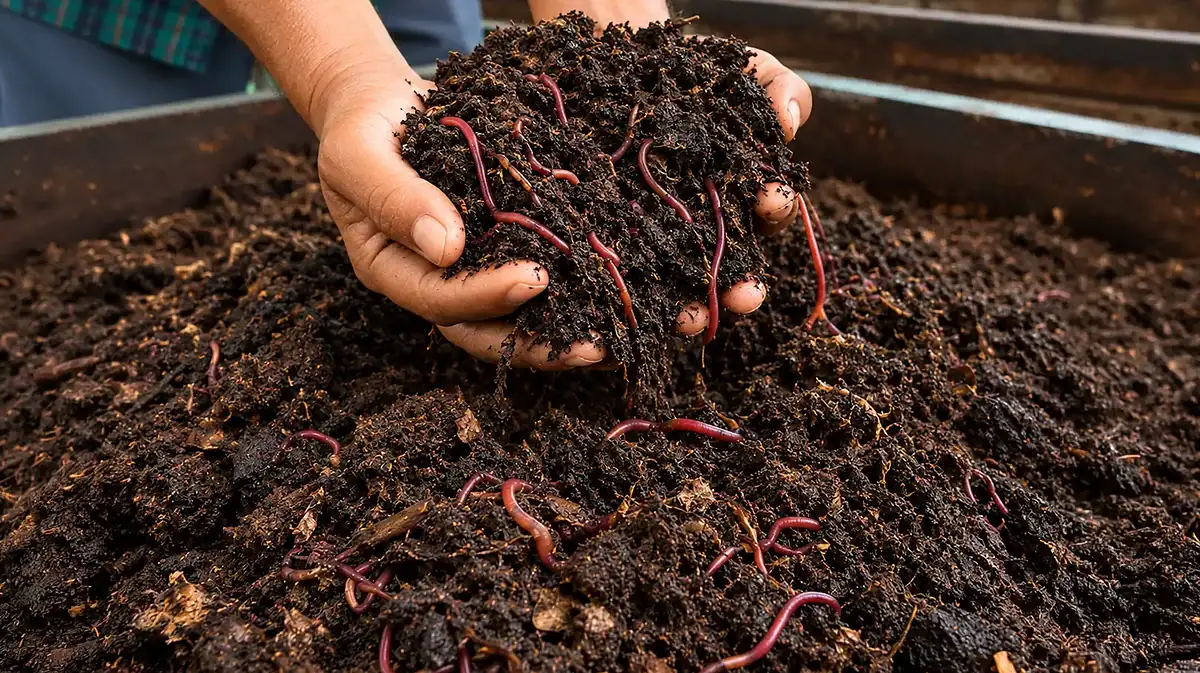
Why Vermicompost Is Trending in India in 2026
Vermicompost is moving from a village-level input to a recognised part of India’s soil-health conversation. In April 2026, ICAR-CIFRI, Barrackpore, reported progress on fertiliser substitution through vermicomposting, framing it as a way to improve input efficiency and strengthen livelihoods.
Demand is following. A MarkNtel Advisors assessment values India’s vermicompost market at USD 188.4 million in 2025, projecting USD 339.7 million by 2032, with solid vermicompost making up about 85% of demand. The report links this growth to the expansion of organic and natural farming, which is also why soil biology is getting so much attention (see our guide to soil microorganisms).
Market growth does not guarantee product quality, though. That is why the sections below focus on maturity, composition and correct application.
Why Consider Ecotrails Growme Vermicompost?
Selecting a soil amendment should begin with the needs of the growing system. Farmers may want to improve soil organic matter across cultivated plots, while home gardeners may be looking for a convenient way to support vegetables, flowers, herbs, and ornamental plants.
Growme vermicompost can be considered as part of this approach, provided its current product specifications and recommended uses are suitable for the intended application. Product-specific claims about nutrient concentrations, certification, or performance should always be checked against the manufacturer’s latest documentation.
The appeal of vermicompost lies in its combination of organic matter and nutrients. Rather than focusing exclusively on immediate plant feeding, it contributes to the growing medium itself. This can be valuable for growers seeking to maintain soil quality over successive growing cycles.
Before choosing a product, it is sensible to review its maturity, texture, storage condition, declared composition, and application instructions. A well-processed product should be appropriate for its intended use and free from obvious signs of contamination or incomplete decomposition.
Growers should also consider how the product fits alongside existing fertilisers, compost, mulch, and other amendments. Our biochar vs compost guide and fermented organic manure page show how these inputs can work together. A thoughtful selection process helps avoid unnecessary inputs and supports more consistent cultivation practices.
Growme Vermicompost and the Importance of Soil Enrichment
Soil enrichment involves improving the physical, chemical, and biological conditions that allow plants to develop successfully. Organic matter is an important part of this process because it influences several properties of the growing medium.
When incorporated appropriately, vermicompost can contribute organic material that supports soil aggregation. In suitable soils, improved aggregation may help create a more favourable balance between air spaces and water movement. This is particularly relevant where soil structure has deteriorated or organic matter levels are low.
Soil enrichment is not an instant transformation, however. Results depend on the starting condition of the soil, the amount applied, the crop being grown, and other management practices. Our guide on improving soil fertility naturally explains the wider picture.
For example, a vegetable grower working with depleted soil may incorporate mature vermicompost before planting. The amendment can contribute organic matter and nutrients, while practices such as crop rotation, mulching, and appropriate irrigation continue to support soil quality. See our organic soil amendments for vegetable farming guide for more options.
In a home garden, mixing a suitable quantity into garden soil may help improve the growing medium for seasonal vegetables and flowering plants. Container plants require additional care because excessive amendment can affect drainage, nutrient concentration, and the physical balance of the potting mix.
The objective is to build and maintain a suitable root environment, rather than assuming that adding more organic material will always produce better results.
Vermicompost Fertilizer and Plant Nutrition
Plants need essential nutrients to develop roots, produce foliage, flower, and form fruit or seeds. Nitrogen supports leafy growth, phosphorus contributes to energy transfer and root development, and potassium supports several physiological processes, including water regulation.
Vermicompost fertilizer can contribute some of these nutrients, but its exact nutritional value varies with the materials used during production. Its nutrient content should not be assumed to match that of a concentrated commercial fertiliser.
One advantage of incorporating organic amendments is that they contribute to the broader growing environment while supplying nutrients. The rate at which nutrients become available depends on the material’s composition, soil conditions, moisture, temperature, and microbial activity.
For this reason, vermicompost is best used according to crop needs and the manufacturer’s recommendations. Plants with high nutrient demands may require additional fertilisation, while sensitive seedlings may need a carefully balanced growing medium.
A sensible nutrient management approach includes:
- Assessing crop requirements before applying amendments.
- Considering soil test results where available. The government’s Soil Health Card scheme is a good starting point for Indian growers.
- Following the recommended quantity and application method.
- Avoiding excessive applications around roots or young seedlings.
- Monitoring plant growth and adjusting the feeding programme when necessary.
Combining organic inputs with appropriate irrigation and crop management can help growers maintain a more balanced approach to plant nutrition.
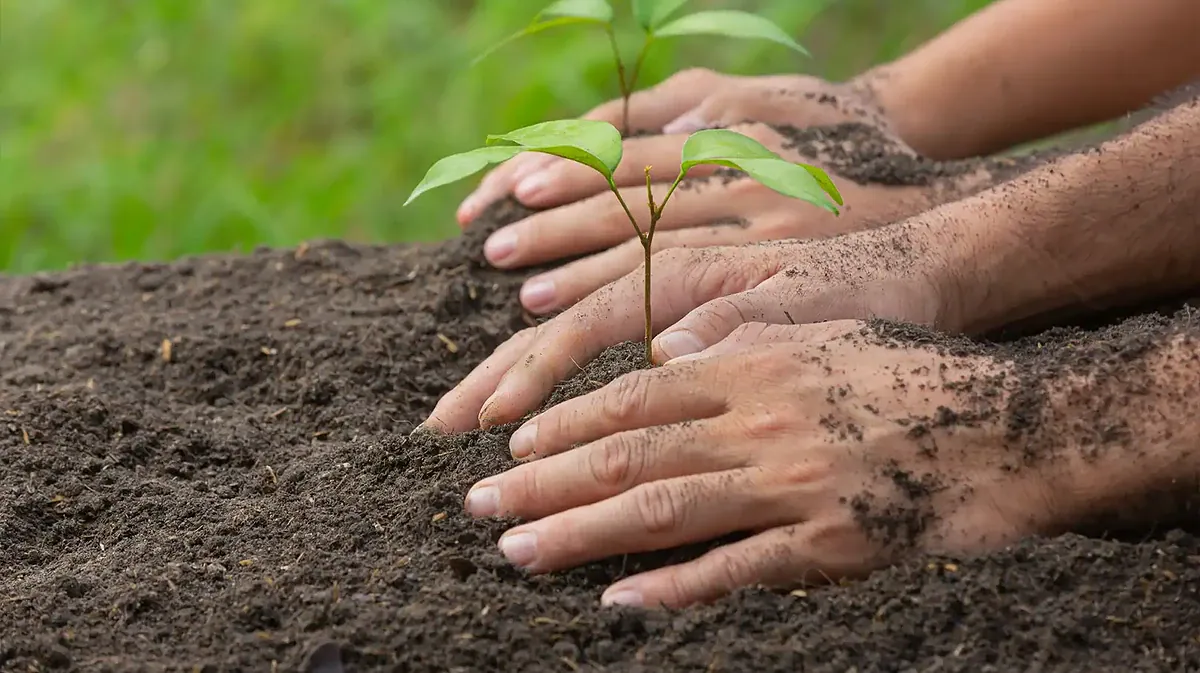
Organic Manure for Plants in Home Gardens
Home gardeners often grow several plant types in a relatively small space. Vegetables, flowering plants, herbs, and potted ornamentals may have different nutritional needs, making the choice and application of soil amendments particularly important.
Organic manure for plants can contribute organic matter and nutrients, helping gardeners maintain a suitable growing medium. Vermicompost is one option because its relatively fine texture makes it convenient to mix into soil or use as part of a suitable potting blend.
For garden beds, mature vermicompost can be incorporated into the soil before sowing or transplanting, following the recommended rate. It may also be applied around established plants where product instructions permit, taking care not to damage roots or place concentrated material directly against stems.
Container gardening requires a more measured approach. Pots have limited soil volume, and too much organic material may change drainage or nutrient levels. Vermicompost should therefore be used as a component of a balanced growing medium rather than automatically replacing the entire potting mix.
Gardeners can consider using vermicompost for:
- Vegetable beds before planting.
- Flowering plants where additional organic matter is appropriate.
- Herbs grown in garden soil or suitable containers.
- Ornamental plants that benefit from a well-managed growing medium.
- Soil preparation when establishing new garden beds.
Plant species, container size, drainage, and existing fertiliser use should guide the final application. Observing plant response over time helps gardeners refine their approach.
Vermicompost for Farming: Supporting Responsible Cultivation
Agricultural soils are exposed to repeated planting, harvesting, tillage, irrigation, and nutrient removal. Over time, these activities can influence soil structure and organic matter levels. Maintaining soil quality requires practices that consider both crop productivity and the condition of the land.
Vermicompost for farming can contribute organic matter and nutrients when applied appropriately. Its practical value depends on the scale of the operation, the cost of application, the crop’s requirements, and the existing condition of the soil.
Before using vermicompost across a large field, farmers should consider a small trial where practical. Comparing treated and untreated areas under similar conditions can help establish whether the amendment provides measurable benefits. Our farmer testimonials show how other growers have approached this.
Crop type also matters. Vegetables, fruit crops, pulses, cereals, and other agricultural plants have different nutrient requirements and growing cycles. Application timing should reflect those needs and the recommendations for the particular product.
Farmers can integrate vermicompost into a broader soil management programme that includes:
- Soil testing and balanced nutrient application.
- Crop rotation and appropriate residue management.
- Efficient irrigation and drainage.
- Mulching or cover cropping where suitable.
- Monitoring crop performance and soil condition.
Vermicompost should not be expected to correct every soil problem. Severe nutrient deficiencies, unsuitable pH, salinity, and poor drainage may require separate measures. Used thoughtfully, however, it can form one part of a practical strategy for maintaining soil productivity. Adding organic matter regularly also supports carbon sequestration in agriculture over time.
How Vermicompost Supports Soil Biological Activity
Soil is a living environment containing bacteria, fungi, earthworms, and many other organisms. These organisms participate in the decomposition of organic matter and the cycling of nutrients.
Vermicompost contains decomposed organic material and may introduce microorganisms associated with the composting process. Once incorporated into soil, its effects depend on the local biological environment, moisture, temperature, and other conditions.
Adding suitable organic matter can provide resources for soil organisms and support biological processes that contribute to nutrient cycling. This does not mean that every vermicompost will establish specific beneficial microorganisms or prevent plant diseases. Such outcomes depend on the product and the conditions in which it is used. The USDA’s principles of high-functioning soils explain why organic matter and living organisms matter so much.
Maintaining biological activity also requires avoiding practices that damage the soil environment. Excessive tillage, poor moisture management, and unsuitable chemical inputs can affect soil organisms and the processes they support.
Vermicompost works best when combined with consistent soil care. Providing suitable organic matter, maintaining appropriate moisture, and limiting unnecessary disturbance can contribute to a healthier growing environment over time.
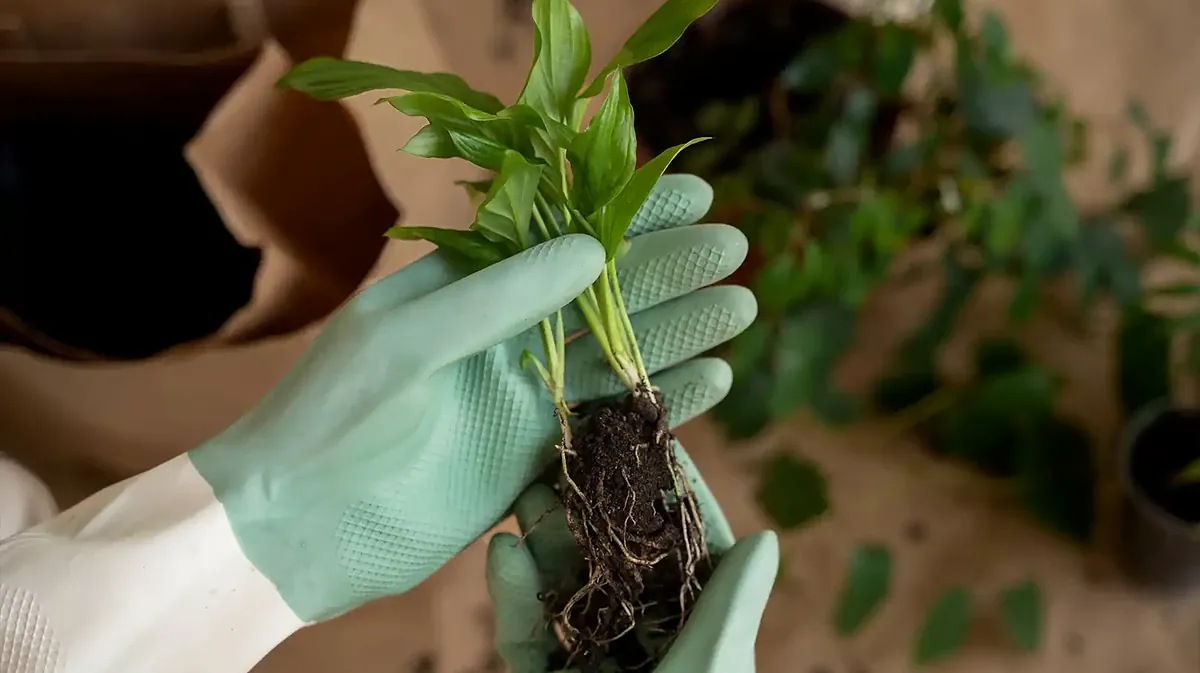
How to Apply Growme Vermicompost Effectively
Correct application is important for achieving useful results without wasting material or creating nutrient imbalances. The appropriate quantity depends on the product instructions, crop type, soil condition, and method of cultivation.
Before applying Growme vermicompost, read the current label and confirm the recommended dosage. If specific instructions are unavailable, seek guidance from the manufacturer or a qualified local agricultural adviser rather than guessing a rate. You can also contact our team for help.
For garden beds, the material may be incorporated into the upper soil layer before planting if recommended. For containers, mix the advised quantity evenly into a suitable potting medium. Avoid placing large amounts directly against delicate roots.
For established plants, follow the product’s guidance on top-dressing or application around the root zone. Water according to the crop’s needs, while avoiding waterlogging.
A few practical precautions can improve application:
- Use mature material intended for agricultural or horticultural use.
- Store the product according to its instructions.
- Do not exceed the recommended dosage.
- Avoid mixing amendments without checking their compatibility.
- Record application dates and observe plant response.
These steps make it easier to evaluate whether the product is meeting the needs of the growing system.
Choosing Quality and Setting Realistic Expectations
The effectiveness of vermicompost depends heavily on quality. The source materials, production conditions, maturity, moisture content, and storage practices can influence its suitability.
A reliable product should have clear usage instructions and accessible information about its composition. Where relevant, growers can look for nutrient analysis, quality testing, and appropriate documentation supplied by the manufacturer. In India, bulk buyers often specify conformity to the BIS standard IS 16702 for vermicompost, which is a useful reference point when comparing suppliers.
It is also important to recognise that organic amendments do not produce identical results in every setting. A garden with poor organic matter levels may respond differently from a field that already has healthy soil. Weather, irrigation, crop variety, and other inputs also affect growth.
Rather than relying only on visible changes, growers can evaluate outcomes through plant health, crop performance, soil test results, and practical cost comparisons. This provides a more useful basis for deciding whether continued application is worthwhile.
Conclusion
Ecotrails Growme Vermicompost can be considered by farmers and gardeners seeking to include organic matter and nutrient support in their soil management practices. Organic vermicompost offers potential value through soil enrichment, nutrient contribution, and support for a favourable growing environment when the material is mature and used appropriately.
Its effectiveness depends on product quality, crop requirements, soil conditions, and application rate. Reviewing the manufacturer’s instructions and using soil testing where possible can help growers make better-informed decisions.
Healthy soil is maintained through consistent care rather than a single product. Balanced nutrition, suitable irrigation, organic matter management, and responsible cultivation all contribute to long-term productivity. When used as part of this broader approach, Growme vermicompost may be a useful addition to a thoughtful farm or garden routine.
For more practical guides, explore our Resources & Knowledge Centre, or read about our Biochar Green for a product that pairs biochar with nutrient sources.
Frequently Asked Questions (FAQs)
What is organic vermicompost?
Organic vermicompost is a decomposed organic material produced with the help of earthworms and microorganisms. It can contribute organic matter and plant nutrients to soil.
Can Growme vermicompost be used for both farms and gardens?
Its suitability depends on the product’s label and recommended uses. Check the manufacturer’s instructions for the relevant crop, growing medium, and application rate.
Is vermicompost fertilizer enough for all plants?
Not necessarily. Nutrient content varies, and some crops may need additional fertilisers to meet their requirements. Soil testing and crop-specific guidance can help determine the appropriate nutrient programme.
How often should vermicompost be applied?
Application frequency depends on the product instructions, crop, soil condition, and growing method. Follow the recommended schedule rather than applying it automatically at frequent intervals.
Does vermicompost improve soil fertility immediately?
It can contribute organic matter and nutrients, but the results vary. Long-term soil fertility depends on balanced nutrient management, suitable irrigation, organic matter inputs, and other cultivation practices.
Ready to Try Growme Vermicompost?
Start with one bed or one plot, follow the label dosage and track the difference over a season.
Buy Retail or Wholesale Talk to Us