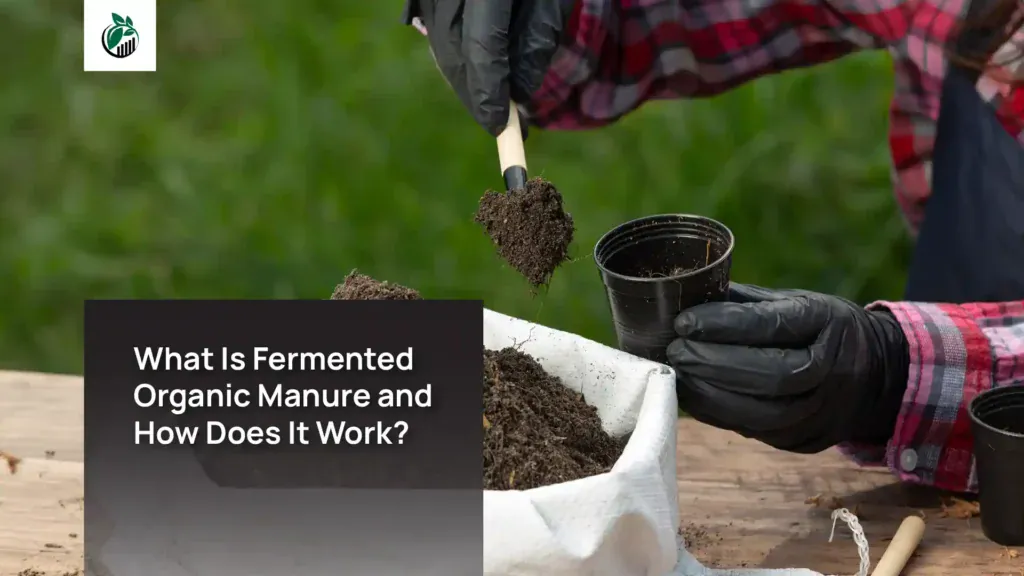
What is fermented organic manure, and why are more farmers paying attention to it? Healthy soil is the foundation of productive agriculture. It provides plants with essential nutrients, supports root development, stores water and creates an environment where beneficial organisms can thrive.
However, continuous cultivation, excessive use of chemical inputs and the loss of organic matter can gradually affect soil quality. As farmers look for more sustainable ways to maintain fertility, organic nutrient sources are receiving greater attention.
Fermented organic manure is one such option. It uses the natural activity of microorganisms to break down organic materials into a form that can support soil health and plant growth, and it offers a practical way to recycle agricultural and biodegradable waste while returning valuable organic matter to the soil.
Understanding how it works can help farmers, gardeners and agricultural professionals make informed decisions about soil management. Its benefits depend on the materials used, the fermentation process, the maturity of the finished product and the needs of the crop.
What Is Fermented Organic Manure?
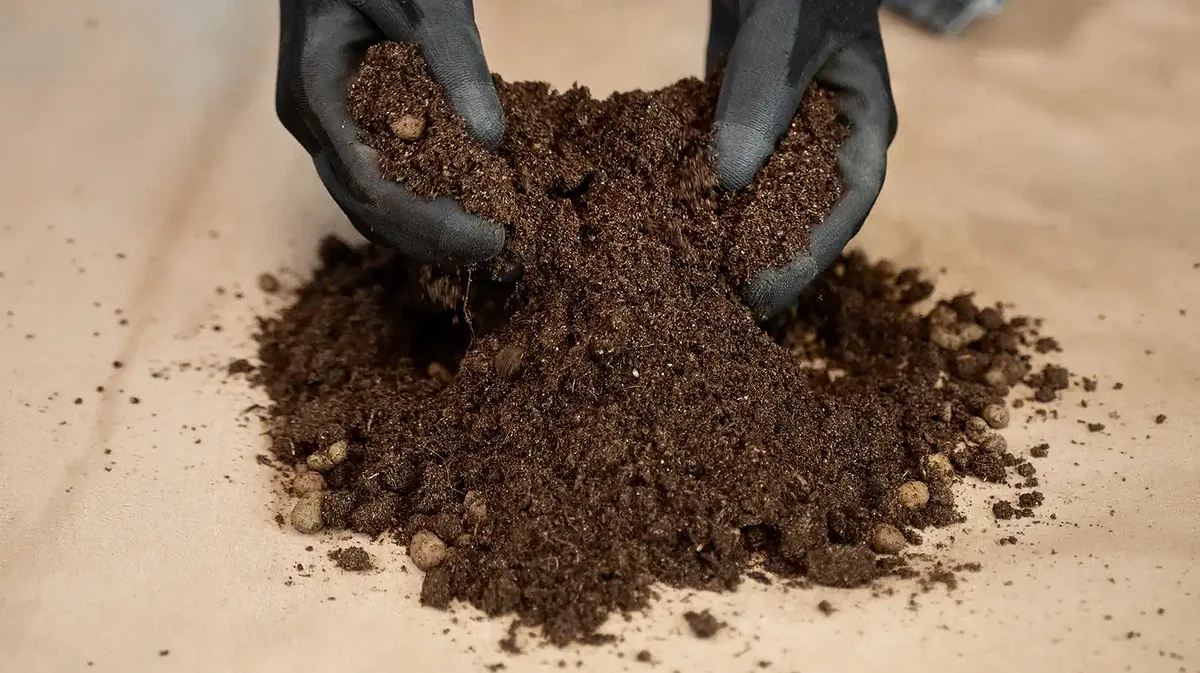
Fermented organic manure is an organic soil amendment produced by allowing microorganisms to decompose or transform biodegradable materials under managed conditions. These materials may include animal dung, crop residues, plant waste, compostable food waste and other suitable organic matter.
During fermentation, microbial activity changes the composition of the raw materials. Complex organic substances are broken down into simpler compounds, while the resulting material may develop characteristics that support nutrient availability and soil biological activity.
Unlike synthetic fertilizers, which generally provide nutrients in specific chemical forms and concentrations, organic manure contributes organic matter alongside nutrients. The exact nutrient content varies according to the ingredients, moisture levels, processing method and storage conditions.
Fermented organic manure is not a single standardized product. Different producers may use different recipes, microbial cultures and processing techniques, so its quality and agricultural performance should be assessed according to its composition and intended use.
It is one of several types of organic manure, alongside farmyard manure, compost and vermicompost. Our guide to organic manures compares the main options, and our article on the benefits of vermicompost covers the earthworm-made alternative.
How Does Fermented Organic Manure Work?
The working principle is based on microbial decomposition, nutrient transformation and the gradual improvement of soil conditions. Rather than acting only as a direct source of nutrients, it can also contribute to the biological processes that support a healthy growing environment.
Microorganisms Break Down Organic Materials
Organic residues often contain complex substances such as cellulose, proteins and other carbon-based compounds. Certain bacteria, fungi and other microorganisms use these materials as sources of energy and nutrients.
As microbial activity progresses, the original ingredients gradually change in structure and composition. The process can make some nutrients more accessible to plants and help transform fresh organic waste into a more stable material. The results depend on the microorganisms present, the availability of oxygen, moisture, temperature and the chemical composition of the feedstock.
Nutrients Become Available Through Biological Processes
Plants require nutrients such as nitrogen, phosphorus, potassium, calcium and magnesium for healthy growth. Organic materials contain varying quantities of these elements, but not all are immediately available for plant uptake.
During decomposition, microorganisms transform organic nutrients into different forms. For example, organic nitrogen may be converted into ammonium and, under suitable soil conditions, subsequently into nitrate, forms that plants can absorb. The University of Arkansas extension guide to the nitrogen cycle describes this same mineralization process in soil.
Phosphorus and other nutrients may also undergo microbial and chemical transformations that affect their availability. However, the extent of these changes depends on the manure’s composition and the properties of the receiving soil. This is one reason fermented organic manure can contribute to plant nutrition while also supporting longer-term soil management.
Soil Biological Activity Can Improve
Healthy soil contains a diverse community of bacteria, fungi, earthworms and other organisms that contribute to decomposition, nutrient cycling and the formation of soil aggregates. The USDA’s Natural Resources Conservation Service describes healthy soil as a living ecosystem that sustains plants, animals and people.
Applying mature, suitable organic manure can provide carbon and other resources that support soil microorganisms. Their activity helps process organic residues and contributes to the movement of nutrients through the soil ecosystem.
However, the outcome depends on the quality of the manure and existing soil conditions. Not every fermented product contains beneficial microbial strains in significant quantities, so product claims should be supported by appropriate quality information.
What Is FOM Fertilizer?
FOM fertilizer refers to fermented organic manure used as an agricultural nutrient input or soil amendment. Depending on the producer, it may be prepared from animal-based materials, plant residues, agricultural by-products or a combination of organic ingredients.
The fermentation process is intended to improve the condition of the raw materials and support their use in crop production. Some products may also contain selected microbial cultures, although their presence and function vary.
Farmers should not assume that every FOM fertilizer has the same nutrient profile or microbial composition. Before using a product, it is helpful to review its label, recommended application rate, nutrient analysis and any available information about its production process.
A reliable product, like any good organic fertilizer, should have a clear intended use and suitable quality controls. Where possible, laboratory analysis can help establish nutrient content, maturity, salinity and other characteristics relevant to agricultural application.
In India, fermented organic manure and liquid fermented organic manure are notified organic fertilizers with quality standards under the Fertilizer Control Order, according to a Lok Sabha reply. The government also offers Market Development Assistance of Rs 1,500 per tonne for FOM sold from biogas and compressed biogas plants under the GOBARdhan initiative. Ecotrails Growme’s Fermented Organic Manure is one such product for farm and garden use.
Key Benefits of Fermented Organic Manure
When properly prepared and applied, fermented organic manure can support several aspects of soil management. Its value is best understood as part of a broader approach to crop nutrition rather than as a universal replacement for every fertilizer.
1. Supports Soil Fertility
Organic manure adds organic material to the soil and supplies nutrients in quantities that depend on its composition. With regular, appropriate use, it can contribute to maintaining soil fertility and supporting productive growing conditions. The organic matter it supplies may be particularly useful in soils that have lost carbon through intensive cultivation or limited residue return. Our guide on how to improve soil fertility naturally covers the wider toolkit.
2. Helps Improve Soil Structure
Organic matter plays an important role in soil structure. It can support the formation of stable aggregates, which influence aeration, drainage and the movement of water through the soil. In this role, the manure acts as an organic soil conditioner. The US Environmental Protection Agency makes a similar point about compost, noting that it improves the physical, chemical and biological characteristics of soil.
Better soil structure can make it easier for roots to explore the growing medium. The benefits may develop gradually and depend on soil texture, climate, tillage practices and the amount of organic matter applied.
3. Supports Water Retention in Soil
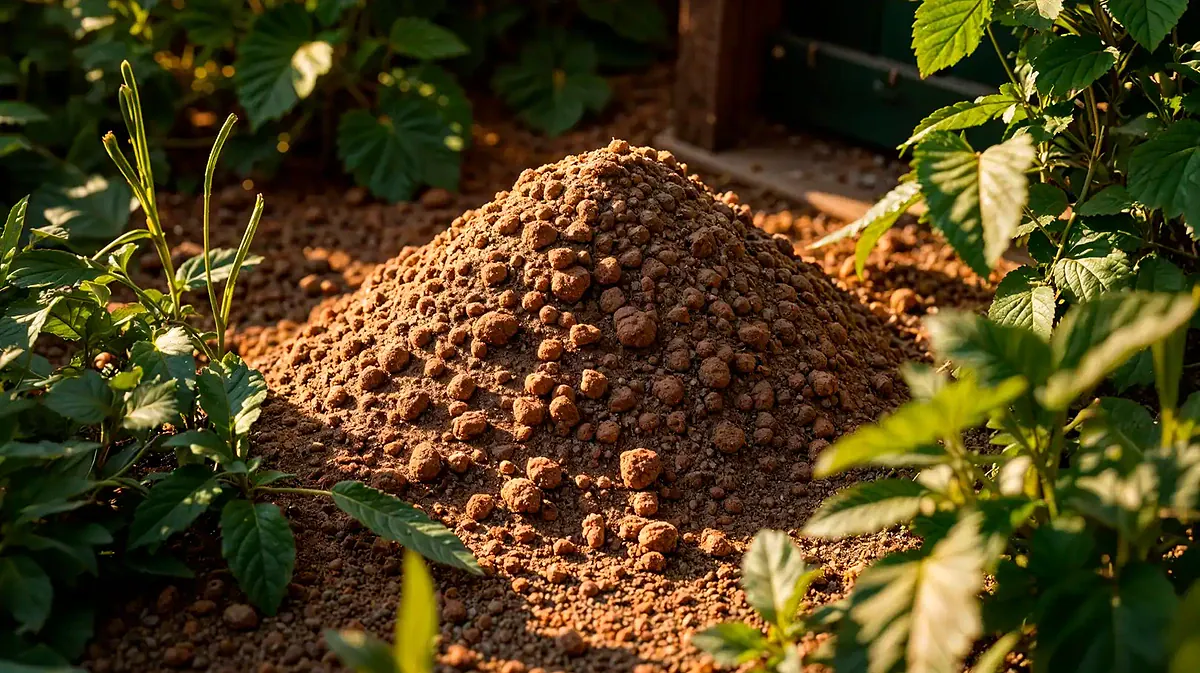
Soil organic matter can help some soils retain water and reduce the rapid loss of moisture. This may be especially helpful in sandy soils, where water tends to drain quickly. However, fermented organic manure does not eliminate the need for irrigation. Its effect on water availability depends on the soil type, application rate and broader water-management practices.
4. Encourages Nutrient Cycling
The nutrients contained in organic residues can be released and recycled through biological processes. Soil microorganisms help decompose organic material and transform nutrients into forms that plants may use. This supports the natural nutrient cycle and can reduce the amount of organic waste that would otherwise be discarded. Actual fertilizer savings depend on the nutrient content of the product and the crop’s requirements.
Many of the benefits of compost, such as recycling organic matter back into the soil, apply here as well. Our biochar vs compost guide explains how compost behaves once it is in the ground.
5. Makes Use of Organic Waste
Agricultural systems generate crop residues, animal manure and other biodegradable materials. Proper fermentation can turn suitable waste streams into useful agricultural inputs. This approach supports resource recovery and can reduce waste-management challenges when the process is managed safely. Raw materials should be selected carefully, especially when there is a risk of contamination by chemicals, pathogens or unsuitable waste.
The Role of Soil Microorganisms in Fermented Organic Manure
Soil microorganisms are central to the decomposition and nutrient-cycling processes associated with organic amendments. Their activity influences how organic material changes during processing and how it interacts with soil after application.
Different microbial groups perform different functions. Some break down plant residues, while others participate in nitrogen transformations or help make certain nutrients more accessible. In a properly managed fermentation process, microbial activity helps transform the starting materials. Once the manure is applied, the surrounding soil environment influences what happens next. Several factors affect microbial activity:
- Moisture: microorganisms need suitable moisture levels to remain active, although excessive water can restrict oxygen in some systems.
- Temperature: microbial activity changes with temperature, and extreme conditions can slow decomposition or affect particular organisms.
- Oxygen availability: aerobic and anaerobic processes involve different microbial communities and can produce different end products.
- Feedstock quality: the balance of carbon, nitrogen and other nutrients influences decomposition.
- Soil conditions: soil pH, texture, moisture and existing biological activity affect how the amendment behaves after application.
It is important to distinguish fermented organic manure from a microbial fertilizer designed to deliver specific living organisms. A product may support microbial activity without containing a guaranteed concentration of selected beneficial strains. These are related but different functions.
Fermented Organic Manure vs. Conventional Fertilizers
Both organic amendments and conventional fertilizers can contribute to crop nutrition, but they differ in composition and how they are used. Conventional mineral fertilizers generally provide nutrients in more concentrated and predictable quantities, which makes them useful when crops have specific nutrient requirements or when rapid correction of a deficiency is needed.
Fermented organic manure generally supplies organic matter and nutrients in variable proportions. Nutrient release may be slower or less predictable, depending on the product and environmental conditions. The main differences include:
| Factor | Fermented Organic Manure | Conventional Mineral Fertilizers |
|---|---|---|
| Nutrient concentration | Lower and more variable | Usually more concentrated |
| Organic matter | Contributes organic material | Generally none |
| Nutrient release | May need further microbial transformation | More predictable |
| Soil health | Supports structure and biological activity | Mainly supplies nutrients |
| Application planning | Needs suitable rates and timing | Needs suitable rates and timing |
For many farms, combining organic amendments with carefully managed mineral fertilizers may be more practical than relying exclusively on one source. Soil testing and crop-specific recommendations can help determine the right balance. In India, the government’s Soil Health Card scheme tests 12 soil parameters and gives fertilizer recommendations.
How to Use Fermented Organic Manure Effectively
Correct application is essential for achieving useful results without creating avoidable problems. Follow the product’s instructions and consider the crop, soil type and local growing conditions. Recommended practices include:
- Check product maturity and quality. Use material that has been processed appropriately and is suitable for the intended agricultural application.
- Follow the recommended rate. Applying more manure does not necessarily improve plant growth and may create nutrient imbalances or excessive salt levels.
- Consider soil testing. Testing helps identify existing nutrient levels and deficiencies before deciding how much additional nutrition is required.
- Apply at an appropriate time. Incorporation before planting or application during suitable crop-growth stages may help integrate the material into the production system.
- Maintain good storage practices. Protect the product from contamination and conditions that may compromise its quality.
- Monitor crop response. Observe plant growth and soil conditions, and adjust future applications according to results.

Fresh or incompletely processed organic materials may contain pathogens, produce unpleasant odours or temporarily affect nutrient availability, so proper processing and safe handling matter. For the best long-term results, use the manure as part of a wider soil plan that includes crop rotation, cover crops and mulching. If you also want the stable carbon of biochar, Biochar Green combines biochar with multiple nutrient sources.
Conclusion
So, what is fermented organic manure in practice? It is a useful way to recycle biodegradable materials while supporting soil fertility and nutrient cycling. Through microbial activity, organic residues are transformed into materials that can contribute nutrients, add organic matter and support the biological processes essential to healthy soil.
Its effectiveness depends on the quality of the raw materials, fermentation conditions, product maturity and appropriate application. Although it can play an important role in sustainable farming and in organic farming in India, it should be used according to crop requirements and soil conditions rather than treated as a universal solution.
When combined with soil testing, responsible nutrient management and sound agricultural practices, fermented organic manure can become a valuable part of a long-term soil health strategy. Our farmer testimonials share how growers use these inputs, and our Resources & Knowledge Centre has more practical guides.
Frequently Asked Questions (FAQs)
What is fermented organic manure used for?
It is used to supply organic matter and nutrients, support soil biological activity, and help maintain soil fertility. Its suitability depends on the crop, soil conditions, and product quality.
Is FOM fertilizer suitable for all crops?
FOM fertilizer may be suitable for many agricultural and horticultural crops, but the correct product and application rate vary. Farmers should follow product instructions and crop-specific recommendations.
How is fermented organic manure different from compost?
Both involve the biological transformation of organic materials, but their production methods and conditions may differ. Composting commonly uses managed decomposition, often under aerobic conditions, while fermentation can involve different microbial processes. The terms may overlap in commercial usage, so the actual manufacturing method should be checked.
Does fermented organic manure replace chemical fertilizers?
Not necessarily. Its nutrient content can vary, and some crops may require additional nutrients to meet their needs. Soil testing can help determine whether organic manure, mineral fertilizers, or a combination is appropriate.
How long does fermented organic manure take to work?
The timing depends on the product’s maturity, nutrient composition, soil conditions, and crop requirements. Some nutrients may become available relatively quickly, while improvements associated with organic matter may develop over a longer period.
Ready to Try Fermented Organic Manure?
Ecotrails Growme’s fermented organic manure adds organic matter and nutrients to farm and garden soil. Start with a small area, watch how your crop responds, then scale up.
Buy Retail or Wholesale Talk to Us
Pingback: Water Retention in Soil: How Biochar Helps in 5 Easy Steps
Pingback: 10X Fermented Organic Manure Best for Sustainable Farming