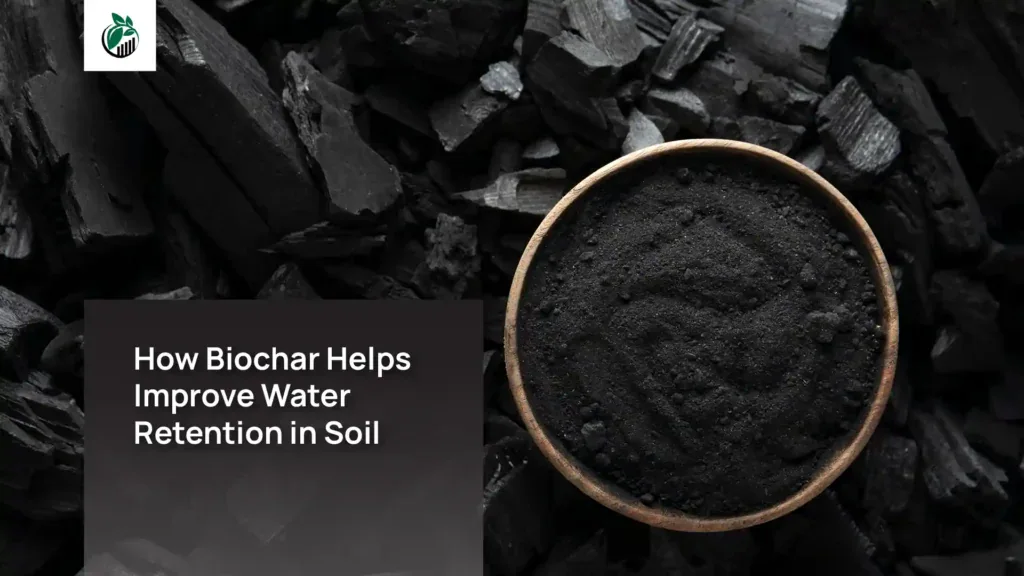
Water retention in soil plays an essential role in maintaining healthy soil and supporting productive agriculture. When soil cannot hold sufficient moisture, crops may struggle to absorb the water they need for growth, particularly during hot weather or periods of limited rainfall. After a weak 2026 monsoon across much of India, that challenge is front of mind for many growers this rabi season.
Frequent irrigation can help address this problem, but it may increase production costs and place additional pressure on local water resources.
Biochar has gained attention as a soil amendment that can help improve water management on agricultural land. Produced by heating organic materials such as crop residues, wood waste and other biomass in a low-oxygen environment, biochar contains a carbon-rich structure that can influence how soil holds and distributes water.
Using biochar for water retention offers a promising approach to improving moisture conditions, especially when the material is selected and applied appropriately. Its effectiveness depends on factors such as soil texture, biochar characteristics, application rate and local climate. Understanding how it works can help farmers make informed decisions about soil management, irrigation practices and long-term agricultural sustainability.
What Is Biochar and How Is It Produced?
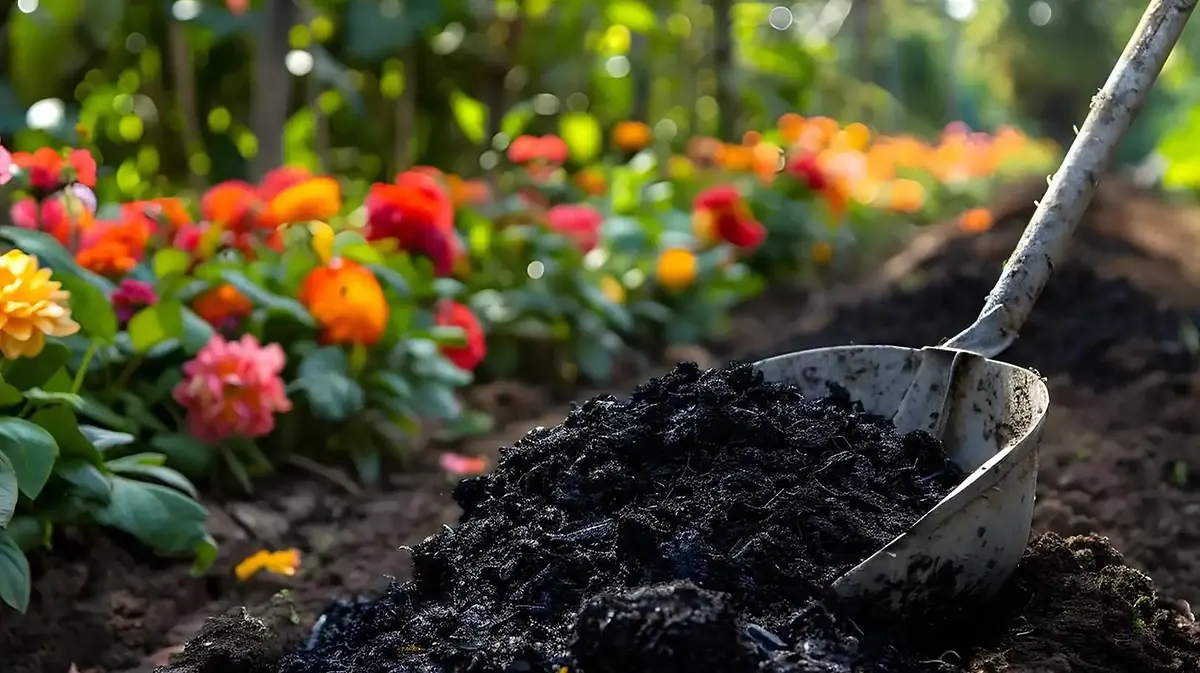
The biochar meaning is simple: it is a stable, carbon-rich material created through a process called pyrolysis. During pyrolysis, organic materials are heated under limited oxygen, transforming much of their original structure into a porous substance. The International Biochar Initiative develops guidelines for biochar used in soils. Common feedstocks include:
- Crop residues, including rice husks and corn stalks
- Wood chips and forestry residues
- Agricultural processing waste
- Certain plant-based organic materials
Rice husk biochar, for example, turns a common milling by-product into a soil input. The properties of the finished material depend on the feedstock and on biochar production conditions: temperature, processing time and the original biomass all influence its pore structure, surface chemistry and capacity to interact with water and nutrients.
Unlike ordinary organic matter that decomposes relatively quickly, biochar can remain in soil for extended periods, although its stability varies with production conditions and environmental factors. When incorporated into agricultural land, it can influence water movement, nutrient availability and soil structure. These characteristics make biochar in agriculture an area of interest for farmers seeking practical ways to improve soil quality and manage water more efficiently, and water management is one of the most practical uses of biochar on the farm.
However, not every biochar product performs equally well. Its suitability should be assessed according to the intended application and the characteristics of the soil being treated. For a fuller introduction, read our guide on how biochar improves soil health.
How Biochar for Water Retention Works
The ability of biochar to support moisture retention is closely connected to its porous structure. During production, the material develops pores of different sizes, creating internal spaces that can hold water. When biochar is mixed into soil, these pores may contribute to water storage and influence how moisture moves through the surrounding soil particles. Depending on the biochar and soil type, some of the retained water may remain available for plant roots to absorb.
Biochar can also alter the physical environment around roots. By influencing pore distribution and soil aggregation, it may help improve the balance between water storage, drainage and aeration.
Its effects are not identical in every setting. Coarse-textured soils, such as sandy soils, may see an improvement in the water holding capacity of soil, while some fine-textured soils may respond differently. A meta-analysis of 82 studies found that biochar generally increased plant-available water in coarse and medium-textured soils but decreased it in fine-textured ones. In certain conditions, biochar can increase drainage or have little effect on plant-available water.
For this reason, biochar should be considered a soil management tool rather than a universal solution to water shortages.
Improving Soil Moisture Retention
Soil moisture retention describes the ability of soil to hold water after rainfall or irrigation. Good moisture retention helps maintain a more stable supply of water around plant roots between watering periods.
Sandy soils often drain rapidly because their particles create relatively large spaces through which water can move. This can make it difficult to maintain adequate moisture during dry weather. Biochar may help address this limitation by introducing additional porous surfaces and modifying the arrangement of soil particles. When the biochar has suitable water-holding characteristics, the amended soil may retain more moisture than untreated soil. The potential benefits include:
- A more stable moisture supply between irrigation events
- Reduced rapid water loss in some sandy soils
- Better support for root development when other growing conditions are suitable
- Improved efficiency in managing irrigation water
The results depend on the type of biochar used and how it interacts with the existing soil. Farmers should evaluate moisture conditions before and after application rather than assuming that every treatment will produce the same improvement in water retention in soil.
Biochar works best as part of a broader soil management strategy that includes suitable irrigation, organic matter management and protection against erosion.
The Role of Biochar Soil Amendment in Soil Structure
Healthy soil contains a network of spaces that allow water, air and roots to move through it. Soil structure refers to the way individual particles bind together to form aggregates and how these aggregates are arranged. Poor soil structure can contribute to compaction, surface crusting, runoff and uneven water movement. These problems may reduce the amount of water reaching plant roots and make agricultural land more difficult to manage.
A biochar soil amendment can influence soil structure through its physical properties and interactions with soil particles. Depending on its characteristics, biochar may contribute to aggregation, modify pore spaces and affect the movement of water through the soil profile. It may also interact with soil microorganisms and organic compounds that help stabilise soil aggregates, and over time these interactions can influence the physical condition of the amended soil.
Nevertheless, biochar does not automatically correct every structural problem. Severely compacted soil, for example, may require additional measures such as controlled traffic, appropriate tillage practices or improved organic matter management. Organic inputs such as vermicompost and fermented organic manure can complement biochar here, so that it supports existing soil conservation practices rather than being relied upon as the sole treatment.
Can Biochar Help Create Drought-Resistant Soil?
Drought-resistant soil is soil that can support plant growth more effectively when water becomes limited. Although no soil amendment can eliminate the effects of severe drought, improving water storage and root-zone conditions may help crops cope with short periods of moisture stress.
Biochar can contribute to this objective by influencing the amount of water retained in the soil and how quickly it becomes unavailable to plants. In suitable conditions, improved moisture storage may help maintain plant activity for longer between rainfall or irrigation events. This can be particularly relevant in regions that experience irregular rainfall, high temperatures or extended dry spells. The potential contribution of biochar includes:
- Helping retain moisture in soils that drain too quickly
- Supporting root-zone conditions when applied at an appropriate rate
- Improving certain soil properties that influence plant access to water
- Complementing mulching, crop rotation and other water-conservation measures

The term drought-resistant soil should be understood in a practical sense. Biochar cannot replace rainfall, irrigation or other essential water sources, and its benefits depend on crop type, soil conditions and the severity of the drought.
Farmers should combine biochar application with locally suitable practices such as mulching, cover crops and efficient irrigation scheduling to improve resilience during dry periods. Keeping the soil covered and disturbed as little as possible is also central to the FAO’s conservation agriculture approach.
Why Water Retention in Soil Matters More in 2026
This topic is especially timely in India this year. The 2026 southwest monsoon ended with a 12.6% rainfall deficit, according to the India Meteorological Department, and UNI reported that the shortfall has raised concerns about lower soil moisture and reservoir levels ahead of rabi sowing in several rain-fed regions.
Biochar is also gaining momentum for a second reason: carbon removal. A 2026 report by the Carbon Removal India Alliance and BioFlux, covered by CarbonCopy, estimates that India could produce about 83 million tonnes of biochar a year and build a $45 billion carbon removal market by 2030. Interest in biochar carbon credits is growing alongside it, and the report recommends linking biochar to crop residue management and sustainable agriculture schemes.
For farmers, biochar in India is becoming both a soil tool and part of a wider climate conversation. The practical takeaway is simple: when rainfall becomes less reliable, every bit of moisture the soil can hold matters, and combining biochar with mulching and efficient irrigation is one way to prepare.
Why Biochar Characteristics Matter
The performance of agricultural biochar depends on more than its ability to absorb water. Its physical and chemical properties determine how it interacts with soil and whether it is suitable for a particular crop or field. Important characteristics include pore size, surface area, particle size, pH, nutrient content and the nature of the original feedstock. Production temperature can also influence these properties.
For example, some biochars have a high pH and may be useful in acidic soils, while their application could be less suitable where the soil is already alkaline. Other products may contain salts or contaminants that require careful evaluation before use. Certification schemes such as the European Biochar Certificate set quality and contaminant limits for different uses. When choosing a product, consider:
- Feedstock: confirm that the original material is appropriate for agricultural use.
- Quality: look for reliable product information and testing where available.
- Soil compatibility: consider the soil’s texture, pH, nutrient status and existing moisture conditions.
- Application purpose: select a product suited to the specific soil improvement objective.
- Safety: avoid biochar made from contaminated or unsuitable waste materials.
A soil test and an assessment of the product’s properties can help reduce uncertainty. Ecotrails Growme’s Pure Biochar is a carbon-rich, highly porous soil amendment made for agricultural use.
How to Apply Biochar to Agricultural Soil
Proper application is essential for making effective use of biochar. Applying excessive quantities without considering soil conditions may be costly and could create unwanted changes in soil chemistry. Before application, assess the field’s soil texture, pH, organic matter content and drainage characteristics. A practical process may include these five steps:
- Test the soil to understand its current condition and identify the main moisture-management problem.
- Choose a suitable biochar product with known feedstock and quality characteristics.
- Determine an appropriate application rate using local agricultural guidance or small-scale trials.
- Incorporate the material into the soil where recommended, ensuring reasonably even distribution.
- Monitor crop performance and any changes in soil condition over time.
In India, the government’s Soil Health Card scheme tests 12 soil parameters and gives fertiliser recommendations, which makes the first step easier.
Some farmers combine biochar with compost or other suitable organic materials before application. This may help integrate the amendment into an existing soil improvement programme, although the suitability of the combination depends on the materials and intended use. Our biochar vs compost guide explains how the two work together, and Biochar Green combines biochar with multiple nutrient sources.
Biochar should not be applied blindly across every field. Small trials can help farmers assess its performance before committing resources to larger areas.
Agricultural Biochar and Efficient Irrigation
Improving soil water storage is only one part of efficient irrigation. Farmers must also ensure that water reaches the root zone at the right time and in suitable quantities. Agricultural biochar may complement irrigation practices by influencing how much water the soil holds after watering. In certain soils, this may help reduce the frequency of irrigation or improve water-use efficiency, but the actual reduction in irrigation demand varies and should be measured rather than assumed.
Combining biochar with drip irrigation, mulching and appropriate scheduling can offer a more comprehensive approach to water conservation. Drip irrigation delivers water close to plant roots, while mulch reduces direct evaporation from the soil surface. Biochar may contribute to moisture storage within the soil itself. Together, these practices address different aspects of water management.

Keep monitoring soil moisture and crop conditions after biochar application. Irrigation schedules should be adjusted according to measured field needs, weather and crop growth stage rather than relying on a fixed assumption that the soil will retain more water.
Common Limitations and Considerations
Despite its potential, biochar has limitations that farmers should understand before investing in its use.
First, its effectiveness varies significantly between products and soil types. A material that improves moisture storage in one field may produce a smaller benefit in another.
Second, the initial cost of purchasing, transporting and applying biochar can be substantial. The economic value depends on local availability, application rates, crop response and the duration of any benefits.
Third, changes in soil pH or nutrient availability may affect crop growth. Some biochars may require careful management, especially when used in soils with specific chemical limitations.
Finally, biochar should not be viewed as a substitute for sound agricultural practices. Soil testing, organic matter management, erosion control and efficient irrigation remain important. Our guide on how to improve soil fertility naturally covers the wider set of practices. Careful planning and field monitoring help farmers understand whether biochar provides a worthwhile improvement under their particular growing conditions.
Conclusion
Biochar offers a promising option for improving soil water management when its properties suit the soil and the intended agricultural use. Its porous structure can influence moisture storage, soil structure and water movement, potentially helping certain soils retain water for longer periods.
The benefits of biochar for water retention in soil are most likely to be meaningful when application decisions are based on soil testing, product quality and local conditions. Combining biochar with mulching, organic matter management and efficient irrigation can further support healthy soil and more resilient crop production.
Rather than treating biochar as a universal remedy, farmers should approach it as one component of an integrated soil management strategy. Careful selection, measured application and continued monitoring can help determine whether it offers lasting value for their land. Our farmer testimonials share how growers use these inputs, and our Resources & Knowledge Centre has more practical guides.
Frequently Asked Questions (FAQs)
How does biochar improve water retention in soil?
Biochar contains pores that can store water and influence the movement of moisture through soil. Depending on its properties and the soil type, it may increase water-holding capacity and help maintain moisture around plant roots.
Is biochar suitable for all soil types?
Biochar can be used in different soils, but its effects vary. Sandy soils may benefit from improved water storage, while clay-rich soils may respond differently. Soil testing and product selection are important before application.
Can biochar reduce irrigation requirements?
In suitable conditions, biochar may help soil retain moisture for longer and potentially reduce irrigation frequency. The result depends on the crop, soil, climate, and biochar properties, so irrigation needs should be monitored in the field.
How much biochar should be applied to soil?
There is no single application rate suitable for every field. The appropriate quantity depends on soil conditions, product characteristics, crop requirements, and local recommendations. Small-scale trials can help assess suitability before wider application.
Can biochar help crops during drought?
Biochar may support crops during periods of limited rainfall by improving water storage in certain soils. However, it cannot eliminate drought stress or replace necessary irrigation and other water-conservation practices.
Ready to Help Your Soil Hold More Water?
Ecotrails Growme’s Pure Biochar and Biochar Green are made for farm and garden soils. Start with a small trial area, track how your soil responds, then scale up.
Buy Retail or Wholesale Talk to Us
Pingback: Biochar for Home Gardening: 5 Steps for Pots & Garden Beds
Pingback: Carbon Sequestration in Agriculture: 4 Proven Soil Practices
Pingback: Organic Soil Amendments: 6 Easy Steps for Vegetable Farming
Pingback: Pure Biochar for Agriculture: 5 Best Bulk Supply Guide