
Biochar for agriculture is attracting serious attention across Indian farming circles right now,, and for good reason. Healthy soil is essential for productive agriculture — it influences how effectively crops access water and nutrients, how roots develop, and how well farmland supports repeated cultivation. Yet intensive farming, declining organic matter and changing weather conditions can place pressure on soil quality.
Pure biochar for agriculture is a carbon-rich material produced by heating suitable biomass under limited oxygen conditions. Its porous structure and relatively stable carbon content make it useful for improving soil fertility and certain soil management applications, depending on its quality and the characteristics of the soil.
From improving selected soil properties to supporting longer-term carbon storage, biochar benefits extend across moisture, nutrients and carbon. Agricultural biochar offers several potential advantages. Effectiveness depends on responsible sourcing, appropriate application rates and an understanding of local farming requirements. For farms, agricultural businesses and distributors, bulk biochar also raises important questions about product consistency, quality testing, storage, transportation and cost.
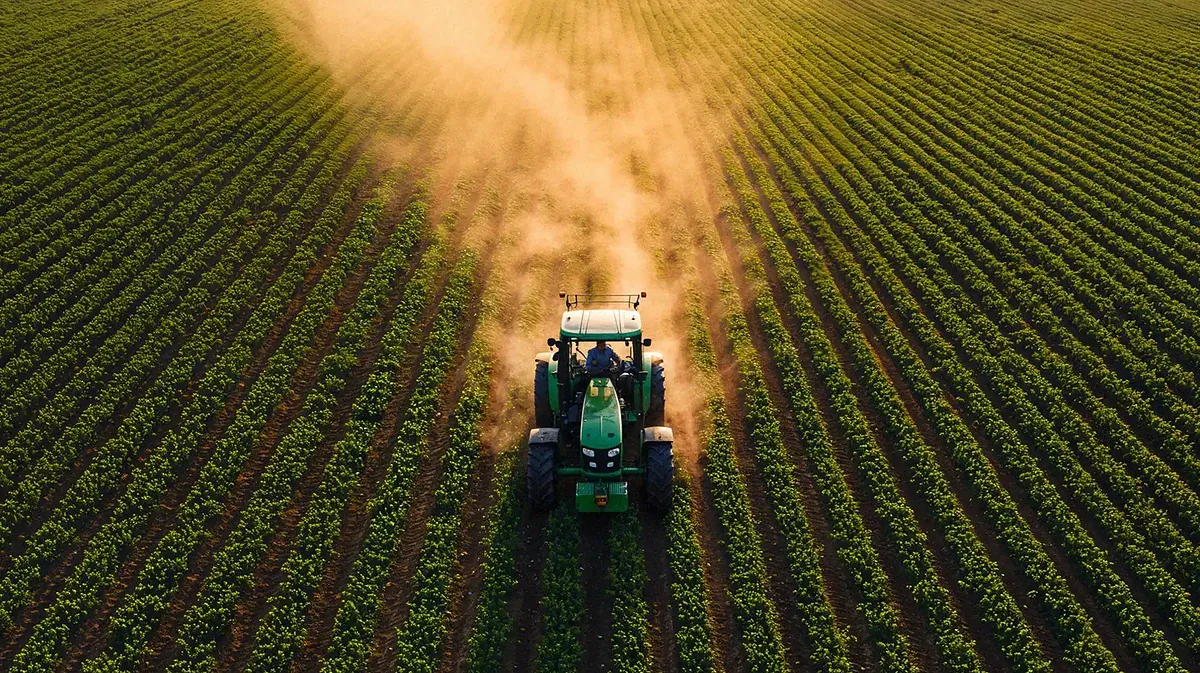
What Is Pure Biochar for Agriculture?
The biochar meaning is simple. What is biochar? It is a carbon-rich solid produced through pyrolysis, a process that heats biomass in an environment with limited oxygen. Suitable feedstocks include agricultural residues, wood-derived materials and other approved plant-based resources. Rice husk biochar, for example, converts a common milling by-product into a useful soil input.
The term “pure biochar” generally refers to biochar supplied as a distinct material rather than a blended product. However, the term alone does not guarantee a particular carbon percentage, purity level or agricultural performance. Buyers should check the product specification for feedstock, carbon content, ash content, pH, moisture, particle size and potential contaminants. Our full guide explains how biochar improves soil health.
When selecting a biochar soil amendment, a high-quality biochar is not defined by one measurement alone. The right choice balances product quality with the needs of the farm.
Why Biochar in India Is Trending in 2026
Two converging trends are driving biochar interest in India this rabi season. First, the 2026 southwest monsoon ended with a 12.6% rainfall deficit, sharpening the case for soil amendments that improve water retention in soil. Second, India’s national carbon credit market is creating financial incentives. A 2026 report by the Carbon Removal India Alliance and BioFlux, covered by CarbonCopy, estimates that India could produce about 83 million tonnes of biochar a year and build a $45 billion carbon removal market by 2030.
The Bureau of Energy Efficiency’s Carbon Credit Trading Scheme has listed biochar among approved agricultural offset activities, as OPIS reported. Farmers who document their biochar applications may eventually be eligible to earn carbon credits through registered projects. This link between agronomic practice and environmental income is one reason biochar production and demand are both rising quickly. It also makes our broader piece on carbon sequestration in agriculture essential reading alongside this guide.
How Agricultural Biochar Supports Soil Health
Biochar’s porous structure allows it to interact with the physical and chemical environment of the soil. Depending on its characteristics, it may influence water retention, nutrient behaviour, soil structure and microbial habitats. These effects are not identical across all soils — sandy soils, clay-rich soils and soils with different pH levels may respond differently to the same product. Our guide on biochar and soil health covers these differences.
One potential contribution is improved water retention in certain growing conditions. Some biochars hold water within their pore structure, though their capacity varies. A meta-analysis of 82 studies in Geoderma found biochar generally increased plant-available water in coarse and medium-textured soils but reduced it in fine-textured ones. This means matching the biochar to the soil type matters enormously.
Biochar may also interact with nutrients through surface properties, though this should not be assumed in every case. Another area of interest is soil microbial activity — biochar can provide habitat for beneficial microorganisms. For farmers, the most useful approach is to evaluate biochar as one component of a wider soil management programme.
Key Benefits of Pure Biochar for Agriculture
When the material is suitable and applied correctly, agricultural biochar may contribute to several aspects of soil management. These are potential contributions, not guaranteed outcomes:
| Potential Benefit | Depends On | Best For |
|---|---|---|
| Soil moisture management | Biochar type, soil texture | Sandy or fast-draining soils |
| Nutrient management | Surface chemistry, crop, fertiliser plan | Farms integrating organic amendments |
| Soil structure | Particle size, soil type, application rate | Compacted or degraded soils |
| Soil organic carbon / carbon storage | Production method, carbon stability | Carbon credit projects, long-term soil plans |
| Microbial habitat | Pore structure, soil biology | Fields with low organic matter |
Product quality, application practices and local conditions determine whether these improvements occur. Always pair biochar with soil testing and practical field trials.
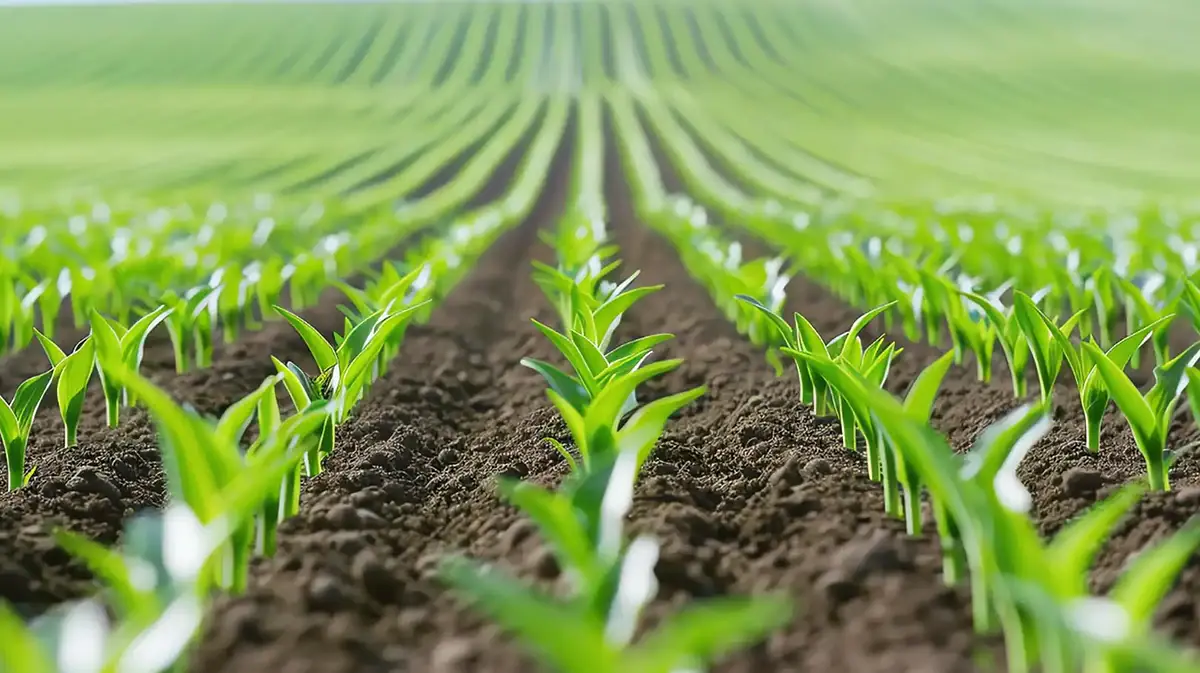
Common Applications of Biochar in Agriculture
Field Crop Production
Farmers growing cereals, pulses, oilseeds and other field crops may consider biochar in agriculture where soil testing or field observations indicate a suitable opportunity for improvement. Application should be planned around the crop cycle, soil conditions and available equipment. Uneven distribution or excessive application reduces the uses of biochar on the farm. See our guide on using organic soil amendments in vegetable farming for how biochar fits alongside other inputs.
Horticulture and Vegetable Farming
Horticultural crops are sensitive to changes in nutrient availability, pH and moisture. Biochar may be considered as part of a carefully formulated programme, particularly where growing conditions justify its use. Small trials help growers evaluate crop response before scaling up.
Nurseries and Potting Mixes
Biochar may be incorporated into selected growing media when its physical and chemical properties suit the plants being grown. Nursery applications require attention to particle size, pH, salinity and nutrient balance because container environments have limited soil volume.
Orchards and Plantation Crops
In established orchards, biochar application may be considered around suitable root-zone areas. Practical considerations include application labour, soil disturbance and how the material interacts with existing organic amendments.
Choosing the Right Biochar Soil Amendment
Selecting a biochar soil amendment involves more than comparing prices. Before purchasing, evaluate:
- Feedstock: confirm which biomass was used and whether it is suitable for agricultural use.
- Carbon content: review the declared carbon percentage and testing method.
- Ash content and pH: important in alkaline or saline soils.
- Particle size: determines compatibility with application equipment.
- Moisture content: affects product weight, storage and handling.
- Contaminant testing: request heavy-metals data where edible crops are grown. The European Biochar Certificate sets clear limits.
- Product documentation: specifications, batch details and application guidance.
Ecotrails Growme’s Pure Biochar comes with feedstock details and quality documentation, and Biochar Green combines biochar with multiple nutrient sources for growers who want an enriched, ready-to-use option. Our biochar vs compost guide explains when each suits best.

Understanding High Carbon Biochar
High carbon biochar attracts buyers interested in stable carbon content and long-term soil applications. But total carbon content should not be the only selection criterion.
Production conditions influence carbon concentration, porosity, surface chemistry and stability. A material selected primarily for soil conditioning may need a different balance of properties from one chosen mainly for carbon storage or carbon credit projects.
Crucially, a high carbon percentage does not, by itself, establish how much carbon will remain in soil over time. This is why carbon stability data and reliable technical documentation are important, especially where soil organic carbon improvement is the primary objective. The carbon sequestration in agriculture guide explains what growers and project developers need to know about measuring and claiming these benefits.
Bulk Biochar: A Guide for Large-Scale Buyers
Bulk biochar is a practical option for farms, distributors and soil amendment businesses. Purchasing in larger quantities may simplify procurement and reduce packaging, though the actual financial benefit depends on transport, storage and order size.
For large-scale buyers, consistency between batches is critical. Before placing a bulk order, confirm:
- The quantity available and the expected delivery schedule.
- Whether product specifications remain consistent across batches.
- Packaging options or loose bulk delivery arrangements.
- Transportation costs and unloading requirements.
- Storage recommendations and protection from excessive moisture.
- Availability of product samples and quality documents.
Biochar can generate dust during handling. Appropriate storage, protective equipment and dust control should be considered when managing large quantities. Compare the delivered cost rather than the quoted product price alone — freight, handling, storage and application expenses can significantly influence the overall cost per hectare.
Finding a Reliable Biochar Supplier in India
India’s agricultural sector spans diverse soils, climatic conditions and farming systems. A suitable biochar supplier in India should understand that product selection and application recommendations need to reflect these differences.
When evaluating a supplier, look for:
- Clear product specifications and transparent feedstock information.
- Relevant laboratory testing and batch documentation.
- Consistent availability for the required quantity.
- Practical packaging, transport and storage arrangements.
- Realistic application guidance based on soil and crop requirements.
- Transparent pricing and delivery terms.
Be cautious of claims that biochar guarantees higher yields, eliminates the need for fertilisers, or delivers identical results in every soil. Where possible, obtain a sample and conduct a small trial before committing to a large purchase. Our farmer testimonials show the kind of results growers have achieved with these inputs.
Best Practices for Application and Storage
Even suitable biochar delivers disappointing results if applied incorrectly. The first step is to identify the purpose of application and confirm the recommended rate — ideally using the government’s Soil Health Card scheme, which tests 12 soil parameters and gives fertiliser recommendations.
Biochar may be combined with compost or organic manure. This should be done according to reliable recommendations rather than assuming every combination is beneficial. For farmers new to the material, our biochar vs compost guide explains how the two work together and when each is most appropriate.
For larger operations, even distribution is important. Use appropriate application equipment and avoid creating excessive dust. Keep biochar in a dry, clean location following the supplier’s storage instructions, and monitor soil conditions and crop performance after application.
Conclusion
Pure biochar for agriculture offers a practical way to support soil management through its porous structure, carbon content and interaction with the growing environment. Depending on its characteristics and conditions of use, it may contribute to moisture management, soil structure, nutrient management and longer-term carbon storage — including India’s emerging carbon credit market.
Results depend on product quality, soil type, crop requirements and application practices. Choosing an appropriate biochar soil amendment requires careful attention to specifications, realistic expectations and responsible use. For bulk biochar buyers, supplier reliability, batch consistency, transportation and storage matter equally.
Combining product evaluation with soil testing and practical field trials gives buyers the best basis for deciding whether agricultural biochar suits their needs. For more practical guides, explore our Resources & Knowledge Centre.
Frequently Asked Questions (FAQs)
What is pure biochar for agriculture?
It is a carbon-rich material produced by heating suitable biomass under limited oxygen conditions and intended for appropriate agricultural applications. Its suitability depends on its quality and the soil in which it is used.
What are the main benefits of agricultural biochar?
Depending on its properties and application, biochar may support soil moisture management, influence soil structure, interact with nutrients, and contribute to longer-term carbon storage.
Is high carbon biochar always better?
Not necessarily. Carbon content matters, but pH, ash content, particle size, stability, and potential contaminants should also be evaluated against the intended application.
What should buyers check before purchasing bulk biochar?
Review product specifications, batch consistency, testing documentation, available quantities, delivery costs, packaging, storage requirements, and application guidance.
How can farmers assess whether biochar is suitable for their soil?
Soil testing, consultation with an agricultural adviser, and small field trials can help determine whether a particular biochar is appropriate and whether it delivers measurable benefits under local conditions.
Ready to Try Pure Biochar or Biochar Green?
Ecotrails Growme supplies Pure Biochar for direct field use and Biochar Green, which combines biochar with multiple nutrient sources, for growers who want a ready-to-apply blend. Retail and bulk quantities available.
Buy Retail or Wholesale Talk to Us