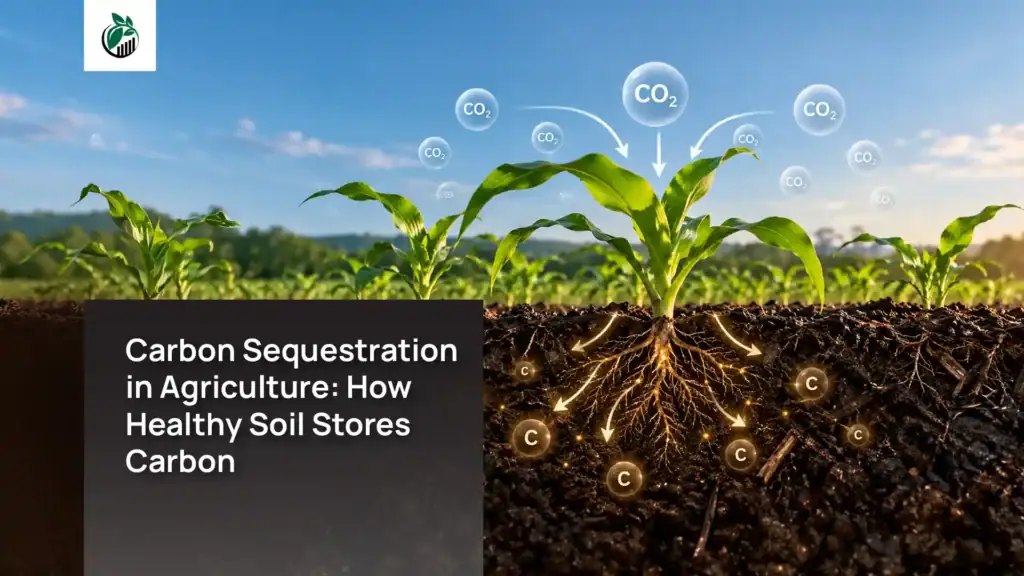
Carbon sequestration in agriculture sits at the centre of a big question for modern farming: how do we feed a growing population while helping the climate? Agriculture has a significant relationship with the global carbon cycle. Farming activities can release greenhouse gases into the atmosphere, while well-managed agricultural land can help remove carbon dioxide from the air and store it in the soil.
This ability makes soil an important part of discussions about climate change, soil conservation and sustainable food production. Healthy soil does much more than support plant growth. It contains organic matter, stores water, supports beneficial microorganisms and provides a habitat for a diverse range of organisms. When farmers adopt practices that increase the amount of carbon retained in the soil, they can improve soil quality while contributing to climate change mitigation.
However, storing carbon in agricultural land requires more than simply adding organic material. Soil type, climate, farming methods and land management all influence how much carbon can be stored and how long it remains there. Understanding these factors helps farmers make informed decisions that support both agricultural productivity and environmental sustainability.

What Is Carbon Sequestration in Agriculture?
Carbon sequestration in agriculture refers to the process of capturing atmospheric carbon dioxide and storing carbon in agricultural soils, vegetation and other long-lived carbon pools.
Plants absorb carbon dioxide through photosynthesis. They use sunlight to convert carbon dioxide and water into sugars, which support their growth. Some of this carbon becomes part of leaves, stems and roots, while a portion enters the soil through root growth, root exudates and plant residues.
Soil organisms break down this organic material, releasing some carbon back into the atmosphere through respiration. The remaining carbon may become part of soil organic matter, where it can stay for varying periods depending on environmental conditions and soil management. This natural process creates opportunities for agriculture to contribute to climate change mitigation.
Effective soil carbon sequestration generally involves increasing carbon inputs into the soil, reducing avoidable carbon losses or improving the conditions that help soil retain organic carbon. The objective is not to prevent all carbon from returning to the atmosphere. Instead, it is to build and maintain soil carbon stocks over time while supporting productive farming systems.
Why Carbon Sequestration in Agriculture Is Trending in 2026
Soil carbon has moved from research papers into policy in India. The national Carbon Credit Trading Scheme includes a voluntary offset mechanism for sectors such as agriculture, and a Bureau of Energy Efficiency notice listing the first-phase sectors names biochar, agroforestry and rice intensification among the agricultural activities covered, as OPIS reported.
ICAR’s Indian Farming magazine has also published a July 2026 article on turning farmland into carbon assets, explaining how the scheme lets farmers earn carbon credits through climate-friendly practices. Farmers usually take part through registered projects rather than on their own.
Biochar is a big part of this story. A 2026 report by the Carbon Removal India Alliance and BioFlux, covered by CarbonCopy, estimates that India could produce about 83 million tonnes of biochar a year and build a $45 billion carbon removal market by 2030.
For growers, the opportunity is real but still emerging. Carbon farming income depends on verified, measured results, so the soil practices and monitoring steps in this guide matter more than ever.
Understanding Soil Carbon and Its Importance
Soil carbon is the carbon stored in soil organic matter, living organisms and, in some environments, inorganic compounds. In agricultural soils, soil organic carbon is particularly important because it is closely connected to soil structure, fertility and biological activity.
Soil organic matter develops through the accumulation and transformation of plant residues, roots, animal materials and microbial products. As these materials decompose, some of their carbon becomes associated with soil minerals or forms organic compounds that can persist for extended periods. Healthy levels of soil carbon can support several important functions.
Better Soil Structure
Organic matter helps bind soil particles into aggregates. A well-aggregated soil generally has a better balance of pore spaces, allowing air and water to move through it more effectively. This can improve root development, reduce the risk of surface crusting and make some soils less vulnerable to erosion.
Improved Water Retention
Soils rich in organic matter can hold more water than comparable soils with lower organic matter levels, although the extent of the benefit depends on soil texture and other conditions. Better water retention can help crops withstand short dry periods and make more effective use of rainfall. Our guide on how biochar helps water retention in soil covers this in more detail.
Greater Nutrient Availability
Soil organic matter contributes to nutrient cycling and can improve the soil’s ability to retain certain nutrients. As microorganisms decompose organic materials, nutrients are released in forms that plants can use.
Support for Soil Biodiversity
Bacteria, fungi, earthworms and other soil organisms depend on suitable habitats and organic resources. Their activity contributes to decomposition, nutrient cycling and the formation of stable soil aggregates. The USDA’s Natural Resources Conservation Service describes healthy soil as a living ecosystem that sustains plants, animals and people.
These benefits demonstrate why soil carbon management is valuable beyond its potential climate benefits.
How Healthy Soil Stores Carbon
Carbon storage in agricultural soils depends on the balance between carbon entering the soil and carbon leaving it. Plants are the main source of new organic carbon. Through photosynthesis, they capture carbon dioxide and convert it into plant biomass. When roots grow, leaves fall and crop residues remain in the field, some of this material enters the soil.
Microorganisms then break down the residues. A portion of the carbon returns to the atmosphere as carbon dioxide, while some is transformed into microbial products and other forms of soil organic matter. Carbon can become more persistent when it is protected within soil aggregates or associated with fine mineral particles, because these conditions make certain organic compounds less accessible to decomposers. The amount of carbon retained depends on:
- Soil texture and mineral composition
- Temperature and rainfall
- Plant species and root systems
- The quantity and quality of organic inputs
- Tillage intensity and erosion risk
- Drainage and soil moisture conditions
Carbon storage is therefore not the same in every agricultural field. A practice that increases soil carbon under one set of conditions may produce smaller gains elsewhere. Regular soil testing and appropriate management help farmers understand how their soil responds over time.
Farming Practices That Support Agricultural Carbon Sequestration
Farmers can encourage soil carbon accumulation by adopting practices that maintain living roots, return organic materials to the soil and limit unnecessary disturbance.
1. Cover Cropping
Cover crops are grown primarily to protect and improve the soil rather than for direct harvest. They may be planted between main crops or during periods when agricultural land would otherwise remain bare. Their roots contribute organic carbon below the surface, while their leaves and stems provide additional residues.
They can also reduce erosion, suppress weeds and improve nutrient management, and leguminous species may contribute nitrogen to the farming system, depending on the species and growing conditions. To achieve the best results, choose species suited to your climate, soil, water availability and crop rotation.

2. Reduced Tillage
Frequent or intensive tillage disturbs soil aggregates and can accelerate the exposure of some organic matter to decomposition. It may also leave soil more vulnerable to erosion. Reduced tillage or no-till farming limits mechanical disturbance and can help protect soil structure, and in suitable conditions these practices may increase carbon near the soil surface. The FAO’s conservation agriculture approach is built on the same idea of minimum soil disturbance.
However, results vary. Carbon gains in the upper soil layer do not always represent an increase across the entire soil profile. Weed management, crop yields and changes in soil conditions must also be considered when evaluating the overall benefits.
3. Crop Rotation and Diverse Planting
Growing different crops in rotation can improve the variety and timing of organic inputs entering the soil. Crops with deep roots may contribute carbon to deeper layers, while crops that produce substantial residues can increase organic material at the surface. Diverse rotations may also interrupt pest cycles and improve nutrient management. Selecting crops according to local growing conditions helps maintain productivity while supporting long-term soil improvement.
4. Applying Compost and Organic Manure
Compost and properly managed organic manure return organic materials to agricultural land. These materials can supply nutrients, support microbial activity and contribute carbon to the soil. Composting farm and garden waste is one practical source, and ready-made inputs such as vermicompost and fermented organic manure are others. Our biochar vs compost guide explains how compost and biochar differ.
Their effectiveness depends on their composition, application rate, maturity and management. Apply organic amendments according to crop requirements and soil test results, because excessive application can create nutrient imbalances or increase the risk of water pollution. A layer of organic mulch adds residues to the surface too, so mulching works well alongside these inputs.
The Role of Biochar in Carbon Storage
Biochar is a carbon-rich material produced by heating biomass, such as crop residues or woody materials, under conditions with limited oxygen. This process, known as pyrolysis, converts part of the biomass carbon into a relatively stable form. When suitable biochar is incorporated into agricultural soil, some of its carbon may remain stored for long periods. This makes biochar for carbon sequestration an area of interest for climate-conscious farming.
A widely cited study in Nature Communications estimated that, at its maximum sustainable potential, biochar could offset up to 12% of current human-caused emissions each year.
Biochar can also influence soil properties. Depending on its source material and production conditions, it may affect water retention, nutrient availability, acidity and microbial activity. Read our guide on how biochar improves soil health for the basics.
Nevertheless, biochar is not a universal solution. Its characteristics differ considerably, and its effects depend on the soil, crop, application rate and production method. Farmers considering biochar should assess:
- The quality and composition of the material
- Whether it is suitable for the intended soil
- Its potential effects on soil pH and nutrient availability
- The cost of production, transport and application
- The sustainability of the biomass used to produce it
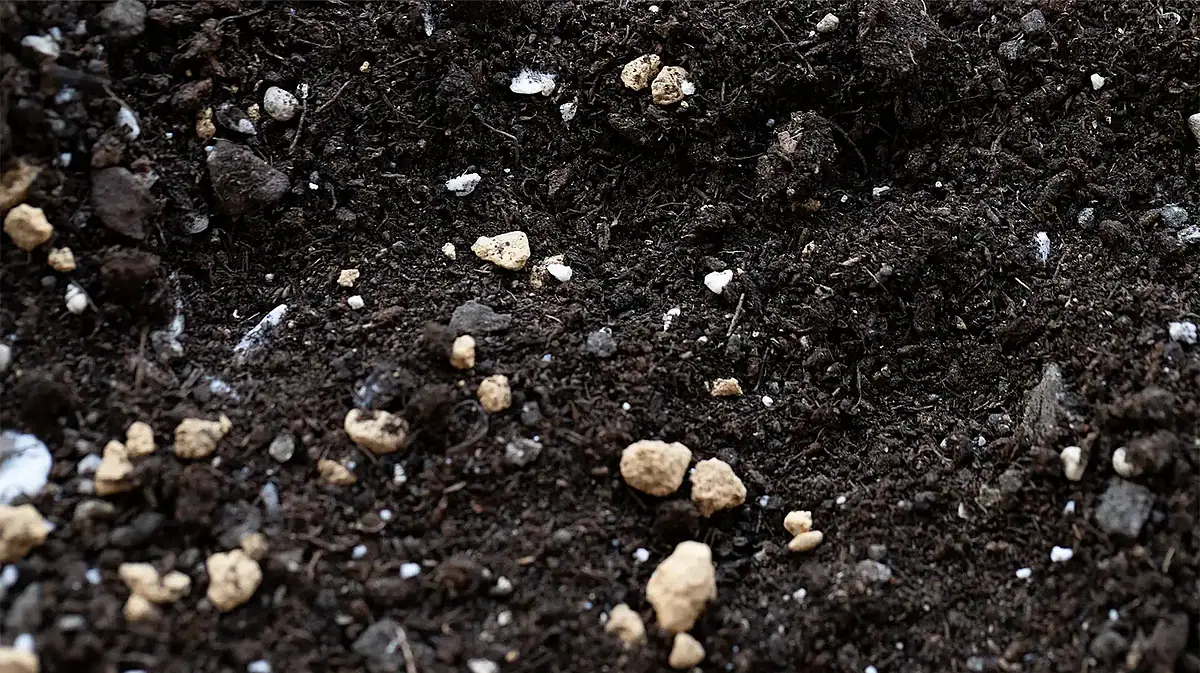
The overall climate benefit also depends on the production process and the emissions associated with sourcing and transporting the material. Biochar is most useful when it forms part of a broader soil management strategy rather than replacing established practices that maintain soil fertility. Ecotrails Growme offers Pure Biochar and Biochar Green, which combines biochar with multiple nutrient sources.
Sustainable Agriculture and Long-Term Carbon Storage
Sustainable agriculture aims to maintain productive farming systems while protecting natural resources for the future. Carbon management fits into this approach because soil carbon influences both environmental performance and agricultural resilience. It is also a core goal of regenerative agriculture and of organic farming in India.
Practices that protect soil organic matter can help farmers manage erosion, improve water use and maintain soil structure. These benefits become particularly important in regions facing irregular rainfall, high temperatures or declining soil quality.
However, carbon sequestration should not be treated as the only measure of sustainable farming. A practice may increase carbon storage but create other challenges if it requires excessive irrigation, causes nutrient losses or reduces crop productivity. A balanced approach considers soil carbon alongside water management, biodiversity, crop performance and greenhouse gas emissions.
For example, retaining crop residues may increase organic inputs, but farmers must also consider whether those residues are needed for livestock feed or other essential uses. Similarly, cover cropping can improve soil protection, but its water requirements must be assessed in dry regions. The most effective approach suits local conditions and delivers benefits across the farming system; our guide on how to improve soil fertility naturally covers the wider toolkit.
Measuring and Monitoring Soil Carbon
Carbon sequestration cannot be evaluated reliably through appearance alone. A field may look healthier without showing a measurable increase in soil organic carbon.
Soil sampling and laboratory analysis provide a more dependable basis for monitoring changes. Samples should be collected using consistent methods, at comparable depths and at appropriate intervals. In India, the government’s Soil Health Card scheme tests 12 soil parameters, including organic carbon, which gives farmers a useful baseline.
Bulk density is also important when calculating carbon stocks, because changes in soil density can affect comparisons between samples. Measurements across the soil profile can provide a more complete picture than surface samples alone. Farmers and agricultural organisations can strengthen monitoring by recording:
- Crop rotations and planting dates
- Tillage practices and residue management
- Compost, manure and biochar applications
- Soil test results and sampling locations
- Changes in yields, erosion and water retention
These records help distinguish genuine progress from natural variation. They can also support better decisions about which management practices deserve further investment, and they are exactly the kind of evidence that projects issuing carbon credits ask for.
Challenges and Limitations of Carbon Sequestration
Although agricultural carbon sequestration offers important opportunities, it has practical limitations.
First, building soil carbon often takes time. Improvements may occur gradually and depend on consistent management over several growing seasons.
Second, stored carbon is not necessarily permanent. Changes in land use, intensive tillage, erosion or other disturbances can release previously stored carbon.
Third, soils have different storage capacities. Some soils may respond strongly to improved management, while others have less potential for additional carbon accumulation.
Finally, measurement can be costly, and estimating changes accurately requires appropriate sampling and analysis. These challenges do not diminish the value of soil carbon management. They highlight the need for realistic expectations, suitable local practices and long-term monitoring.
Conclusion
Carbon sequestration in agriculture offers a practical opportunity to connect climate change mitigation with better soil management. By capturing carbon through plant growth and retaining a portion of it in the soil, farmers can support healthier agricultural systems while contributing to environmental goals.
Practices such as cover cropping, reduced tillage, diverse crop rotations and carefully managed organic amendments can increase carbon inputs and protect soil quality. Biochar may provide an additional storage option when its production, composition and application are managed responsibly.
Success depends on local soil conditions, consistent management and reliable monitoring. Rather than relying on a single solution, farmers can combine suitable practices to strengthen soil health, improve resilience and maintain productive land for future generations. Our farmer testimonials share how growers use these inputs, and our Resources & Knowledge Centre has more practical guides.
Frequently Asked Questions (FAQs)
What is carbon sequestration in agriculture?
Carbon sequestration in agriculture is the process of capturing atmospheric carbon dioxide through plant growth and storing some of that carbon in agricultural soils, vegetation, and other carbon pools.
Why is soil carbon important?
Soil carbon contributes to soil structure, nutrient cycling, water retention, and biological activity. Maintaining suitable soil carbon levels can support crop productivity and improve resilience to environmental stress.
Which farming practices help increase soil carbon?
Cover cropping, reduced tillage, diverse crop rotations, erosion control, and the appropriate use of compost or organic manure can support soil carbon accumulation. Results depend on local conditions and long-term management.
How does biochar help store carbon?
Biochar contains carbon produced from biomass through heating under limited oxygen. Some of this carbon can remain in soil for extended periods, although the overall benefit depends on production methods, material quality, and soil conditions.
Can agricultural carbon sequestration reverse climate change?
Agricultural carbon sequestration can contribute to climate change mitigation, but it cannot reverse climate change on its own. It works best alongside substantial reductions in greenhouse gas emissions across other sectors.
Ready to Build Carbon Into Your Soil?
Ecotrails Growme’s Pure Biochar, Biochar Green, vermicompost and fermented organic manure help return stable carbon and organic matter to your land. Start with a small area, track your soil tests, then scale up.
Buy Retail or Wholesale Talk to Us
Pingback: Soil Microorganisms: 5 Ways They Drive Healthier Plant Growth
Pingback: Pure Biochar for Agriculture: 5 Best Bulk Supply Guide
Pingback: 10X Fermented Organic Manure Best for Sustainable Farming
Pingback: Ecotrails Growme Soil Solutions: Best guide 2026