
Organic soil amendments are one of the most practical tools a vegetable grower has, because healthy soil is the foundation of successful vegetable production. Whether a farmer grows tomatoes, spinach, carrots, cabbage or seasonal vegetables, the quality of the soil directly affects plant growth, crop yield and produce quality.
However, repeated cultivation, excessive use of chemical inputs and poor soil management can gradually reduce soil fertility. Natural materials added to the soil can improve its physical structure, nutrient availability, water retention and biological activity. When used correctly, they help farmers create favourable growing conditions for vegetables while reducing dependence on certain synthetic inputs.
Understanding how to select, apply and manage these materials is essential for consistent results in vegetable farming. This guide explains the main types, their benefits and the best practices for using them effectively.
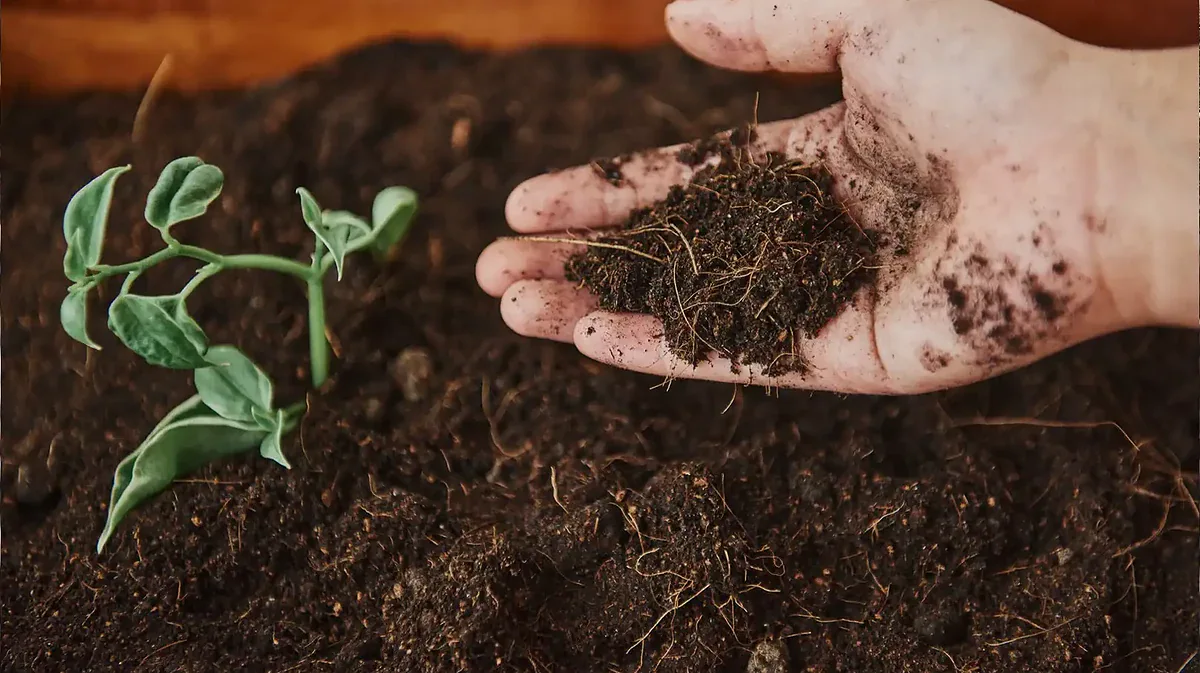
What Are Organic Soil Amendments?
Organic soil amendments are materials derived from plant, animal or other naturally occurring organic sources. They are incorporated into the soil to improve its condition and support healthy plant development.
Unlike fertilisers, which primarily supply nutrients, amendments can also improve soil structure, drainage, aeration and moisture retention. Some provide nutrients gradually as microorganisms break down organic matter, while others mainly improve the soil’s physical and biological properties. Common examples include:
- Compost: decomposed organic materials that improve soil structure and contribute nutrients.
- Farmyard manure: decomposed animal manure mixed with bedding materials, often used to improve soil fertility.
- Vermicompost: organic material processed by earthworms, which can improve soil structure and supply plant nutrients.
- Leaf mould: decomposed leaves that help increase organic matter and improve moisture retention.
- Green manure: crops grown and incorporated into the soil to add organic matter and, in some cases, contribute nitrogen.
- Biochar: carbon-rich material produced by heating biomass under limited oxygen, which may improve certain soil properties depending on its quality and the soil type.
Each amendment has different characteristics. Selecting the right material depends on soil conditions, vegetable requirements, availability and the farmer’s overall cultivation strategy.
Why Are Organic Soil Amendments Important in Vegetable Farming?
Vegetable crops often have specific nutrient and moisture requirements. Leafy vegetables need sufficient nitrogen for foliage development, while fruiting vegetables such as tomatoes and peppers require balanced nutrition throughout flowering and fruit production. Root vegetables also need suitable soil structure to develop properly. Organic inputs help create conditions that support these requirements.
Improving Soil Fertility
Soil fertility refers to the soil’s ability to provide essential nutrients in quantities that plants can access. Repeated harvesting removes nutrients, making regular soil management necessary. Organic materials contribute nutrients as they decompose and may also support microbial activity, which helps transform certain nutrients into forms that plant roots can absorb.
However, nutrient release varies according to the material, temperature, moisture and decomposition stage. Farmers should not assume that every amendment provides a complete or immediately available supply of nutrients. Our guide on how to improve it naturally covers the wider picture.
Enhancing Soil Structure
Compacted or poorly structured soil can restrict root growth and reduce the movement of air and water. Adding suitable organic matter can help improve aggregation, creating a more favourable environment for roots. Better soil structure is particularly useful for root vegetables such as carrots and radishes, which need relatively loose soil for healthy development.
Supporting Water Retention in Soil
Organic matter can improve the soil’s ability to retain moisture, although the degree of improvement depends on the soil type and amendment used. This can be beneficial during dry periods, particularly where irrigation water is limited, and may help reduce fluctuations in soil water availability. Nevertheless, amendments cannot replace appropriate irrigation; pairing them with drip irrigation and mulching makes every litre go further. Our guide on how biochar helps water retention explains one option.
Encouraging Beneficial Soil Organisms
Healthy soil contains bacteria, fungi, earthworms and other organisms that contribute to decomposition and nutrient cycling. Organic materials provide food for many of these organisms, supporting the biological processes that maintain soil health. The USDA’s Natural Resources Conservation Service describes healthy soil as a living ecosystem that sustains plants, animals and people. Over time, regular additions of suitable organic matter can help develop a more biologically active growing environment.
Why Soil Amendments Matter More This Rabi Season
Two trends make this topic especially relevant for vegetable growers in India right now. First, the 2026 southwest monsoon ended with a 12.6% rainfall deficit, according to the India Meteorological Department, and UNI reported concerns about lower soil moisture ahead of rabi sowing. Soil that holds more organic matter is better placed to make use of the water that is available for winter vegetables such as peas, cabbage, cauliflower and carrots.
Second, natural farming is scaling up quickly. According to Agriculture Ministry data shared in Parliament in July 2026 and reported by Kashmir Life, the National Mission on Natural Farming had enrolled more than 23 lakh farmers across 32 States and UTs, covering over 11 lakh hectares. As more farms reduce chemical inputs, knowing which organic inputs to use, and how much, becomes a practical skill rather than a niche one.
Best Amendment Types for Vegetable Crops
Choosing the right amendment is an important part of organic farming. The most suitable option depends on the crop, soil condition and availability of safe, well-processed materials.
1. Compost
Compost is one of the most versatile options. Composting turns materials such as vegetable scraps, dry leaves, crop residues and other suitable organic matter into a stable soil input. Mature compost can improve soil structure, support beneficial microorganisms and contribute nutrients, which makes it useful for vegetable beds, container cultivation and field production. The US Environmental Protection Agency notes that compost improves the physical, chemical and biological characteristics of soil.
Use properly matured compost rather than fresh, partially decomposed material, which may contain compounds that damage plants or temporarily affect nutrient availability. Our biochar vs compost guide compares compost with biochar.
2. Farmyard Manure
Well-decomposed farmyard manure is commonly used to enrich soil and increase organic matter. Its nutrient content depends on the animal source, feed, bedding, storage and decomposition process.
Fresh manure should generally not be applied immediately before harvesting edible vegetables, particularly crops eaten raw, because it may contain harmful pathogens and increase the risk of contamination. Follow local food-safety guidance and applicable organic production standards. Processed options such as fermented organic manure are another way to add organic manure to vegetable beds.
3. Vermicompost
Vermicompost is produced through the activity of earthworms and microorganisms. It can be incorporated into vegetable beds or used in suitable growing mixtures. Tamil Nadu Agricultural University’s agritech portal notes its strong potential to meet manure needs in both irrigated and rainfed areas.
Its nutrient content varies, so treat it as one component of a broader crop nutrition plan rather than a universal replacement for all fertilisers. Read more about the benefits of vermicompost, or see Ecotrails Growme’s vermicompost.

4. Green Manure Crops
Green manure involves growing plants specifically to improve the soil. Legumes such as cowpea and sunn hemp can contribute nitrogen through biological nitrogen fixation when properly established and associated with effective soil bacteria. SARE’s free handbook on managing cover crop species is a detailed reference for choosing species.
These crops are generally incorporated before the next main crop, allowing their biomass to decompose. Plan the timing carefully to avoid delaying vegetable planting.
5. Biochar
Biochar is a carbon-rich material that may help improve water retention, nutrient retention or soil structure in certain conditions. Its effectiveness depends on its production method, properties, application rate and the characteristics of the soil. Our guide on how biochar improves soil health explains the basics.
Only use biochar suitable for agricultural purposes. It should not automatically be considered a complete fertiliser or a substitute for compost and other nutrient sources. Ecotrails Growme offers Pure Biochar and Biochar Green, which combines biochar with multiple nutrient sources.
How to Apply Amendments Correctly: 6 Steps
The effectiveness of any amendment depends not only on the material selected but also on how it is applied.
Step 1: Test the Soil Before Application
Begin with a soil test to understand the existing condition of the field. Testing can provide information about soil pH, organic carbon and nutrient levels, depending on the analysis performed, and helps identify whether the soil needs additional organic matter, particular nutrients or pH management. In India, the government’s Soil Health Card scheme tests 12 soil parameters and gives fertiliser recommendations.
For example, applying large quantities of nutrient-rich compost to soil that already contains excessive phosphorus may create nutrient imbalances. Soil testing helps prevent unnecessary applications.
Step 2: Select the Appropriate Amendment
Choose an amendment according to the crop’s requirements and the soil’s limitations. Consider:
- Soil texture and drainage
- Existing organic matter and nutrient levels
- Vegetable variety and expected growing period
- Maturity, quality and safety of the amendment
- Availability, transportation costs and application requirements
Using a combination of suitable materials may be beneficial, but each component should have a clear purpose.
Step 3: Prepare the Soil
Remove weeds, old diseased plant material and unwanted debris from the growing area. Break up excessive compaction where appropriate, while avoiding unnecessary tillage that can damage soil structure. Spread mature compost or another suitable amendment evenly over the soil and incorporate it into the upper soil layer according to the material, crop and local recommendations.
Avoid excessive cultivation, especially when the soil is wet, because this can cause compaction and damage its structure.

Step 4: Follow Recommended Application Rates
There is no single application rate suitable for every amendment or vegetable crop. The correct amount depends on the material’s nutrient content, soil-test results and cultivation conditions. Follow recommendations from a qualified agricultural adviser or local extension service. Applying more organic material than necessary does not guarantee better growth and may contribute to nutrient losses or imbalances.
Step 5: Apply at the Right Time
Where possible, incorporate mature compost and well-decomposed manure before planting. This gives the materials time to mix with the soil and allows suitable decomposition processes to occur. Soil-building crops must be managed according to the planting schedule of the next vegetable crop, and additional applications during crop growth should be based on nutrient requirements and the properties of the material.
Step 6: Monitor Crop Performance
Observe plant growth, leaf colour, moisture conditions and crop development after application. Where necessary, use soil or plant testing to investigate nutrient deficiencies or other problems. Monitoring helps farmers adjust future applications rather than relying on the same quantities every season.
Matching Organic Amendments With Vegetable Crops
Different vegetables benefit from different soil conditions, so amendment selection should reflect the crop being grown.
- Leafy vegetables: spinach, amaranth and other leafy crops benefit from fertile soil with adequate nitrogen. Mature compost can contribute nutrients, but additional nitrogen may be necessary depending on soil conditions.
- Fruiting vegetables: tomatoes, chillies and brinjal require balanced crop nutrition throughout their growing cycle. Compost can improve soil conditions, while a soil test helps determine whether additional nutrients are required.
- Root vegetables: carrots, radishes and beetroot generally perform better in loose, well-drained soil. Mature compost can improve structure, but excessive nutrient-rich material may encourage unwanted growth or create other problems.
- Leguminous vegetables: beans and peas can contribute nitrogen through biological fixation. Suitable soil conditions and effective root nodulation are important for this process.
These are general guidelines. Local climate, soil type, crop variety and cultivation practices can influence the final amendment strategy.
Common Mistakes to Avoid
Although organic inputs can support productive vegetable cultivation, incorrect use may reduce their benefits. Common mistakes include:
- Applying fresh manure without considering pathogen risks and crop safety
- Using immature compost that may harm seedlings or interfere with plant growth
- Applying excessive quantities without testing the soil
- Assuming organic materials provide all nutrients in the required proportions
- Using contaminated organic waste that may introduce harmful substances or persistent contaminants
- Ignoring soil pH, drainage and irrigation when planning soil improvement
- Treating all amendments as interchangeable despite differences in nutrient content and decomposition rates
A balanced approach combines suitable materials with good field management, crop rotation, responsible irrigation and regular soil monitoring.
How Organic Amendments Support Sustainable Organic Farming
Organic farming focuses on managing the agricultural system to maintain soil health, recycle nutrients and reduce unnecessary environmental impacts, the same principles behind natural farming and organic farming in India more broadly. Organic inputs contribute to these goals by returning organic matter to the soil and supporting biological activity. They also store carbon, as our guide on carbon sequestration in agriculture explains.
Recycling crop residues into compost, growing soil-building legumes and reusing safe organic materials can also help reduce the amount of waste generated on farms.
However, organic inputs must still be managed responsibly. Nutrients can be lost through runoff or leaching if applications are excessive or poorly timed, and organic production standards may restrict which materials can be used. Sustainable soil management is most effective when organic inputs are combined with crop rotation, erosion control, integrated pest management and efficient water use.
Conclusion
Organic soil amendments can play an important role in improving soil fertility, supporting healthy roots and creating favourable conditions for vegetable production. Materials such as mature compost, well-decomposed manure, vermicompost, green manure and suitable biochar offer different benefits depending on soil conditions and crop requirements.
For successful vegetable farming, begin with soil testing, select appropriate materials, follow recommended application rates and monitor crop performance. Make sure every amendment is properly processed and safe for agricultural use.
Rather than relying on one material or applying large quantities without assessment, a planned approach can help maintain soil quality and support consistent vegetable production over time. Our farmer testimonials share how growers use these inputs, and our Resources & Knowledge Centre has more practical guides.
Frequently Asked Questions (FAQs)
What are organic soil amendments?
Organic soil amendments are materials derived from natural organic sources that are added to soil to improve its structure, organic matter content, nutrient availability, or biological activity. Examples include compost, vermicompost, well-decomposed manure, and green manure crops.
Which organic soil amendment is best for vegetable farming?
Mature compost is a versatile option for many vegetable crops because it can improve soil structure and contribute nutrients. However, the best amendment depends on soil conditions, crop requirements, and the nutrient content of the material. Soil testing can help guide selection.
How often should organic soil amendments be applied?
Application frequency depends on the amendment, crop rotation, soil organic matter, and nutrient requirements. Some materials may be applied before each growing season, while others may be needed less frequently. Soil testing and local agricultural recommendations can help determine an appropriate schedule.
Can organic soil amendments replace chemical fertilisers?
Not always. Organic amendments can supply nutrients and improve soil health, but nutrient release may be slow or inconsistent. Some vegetable crops may still require additional nutrients to meet their needs. The objective should be balanced crop nutrition rather than assuming that one input can meet every requirement.
Are organic soil amendments suitable for all soil types?
Many amendments can benefit different soil types, but their effects vary. Compost may improve the structure of both sandy and clay-rich soils, while biochar can have different results depending on its properties and the soil in which it is used. Selecting materials according to soil-test results is the most reliable approach.
Ready to Feed Your Vegetable Beds?
Ecotrails Growme’s organic inputs and biochar products help vegetable growers build healthier soil. Start with a few beds, watch how your crops respond, then scale up.
Buy Retail or Wholesale Talk to Us
Pingback: Ecotrails Growme Biochar Green: Combining Biochar and Nutrients for Better Soil - ecotrailsgrowme.com
Pingback: Why Choose Ecotrails Growme Vermicompost for Your Farm and Garden? - ecotrailsgrowme.com