Biochar for home gardening is gaining attention among urban gardeners who want healthier potting soil, better moisture management and fewer synthetic inputs. A thriving garden begins with healthy soil — whether you grow herbs on a balcony, practise terrace gardening in grow bags, tend a kitchen garden or cultivate vegetables in raised beds.
Yet regular watering, nutrient depletion and compacted potting soil can gradually affect plant growth. Biochar is one material that gardeners can explore to improve soil conditions and support more sustainable practices.
Depending on its properties and the soil in which it is used, it may help improve water retention in soil, nutrient availability and soil structure. However, biochar is not a universal plant booster. Its effectiveness depends on the quality of the material, the quantity applied, and how it is combined with compost, fertilisers and other growing media.
Understanding how to use biochar in pots and garden beds helps you make informed decisions. With suitable preparation and careful application, it can become a useful part of a well-planned gardening routine.
What Is Biochar and How Does It Work in the Garden?
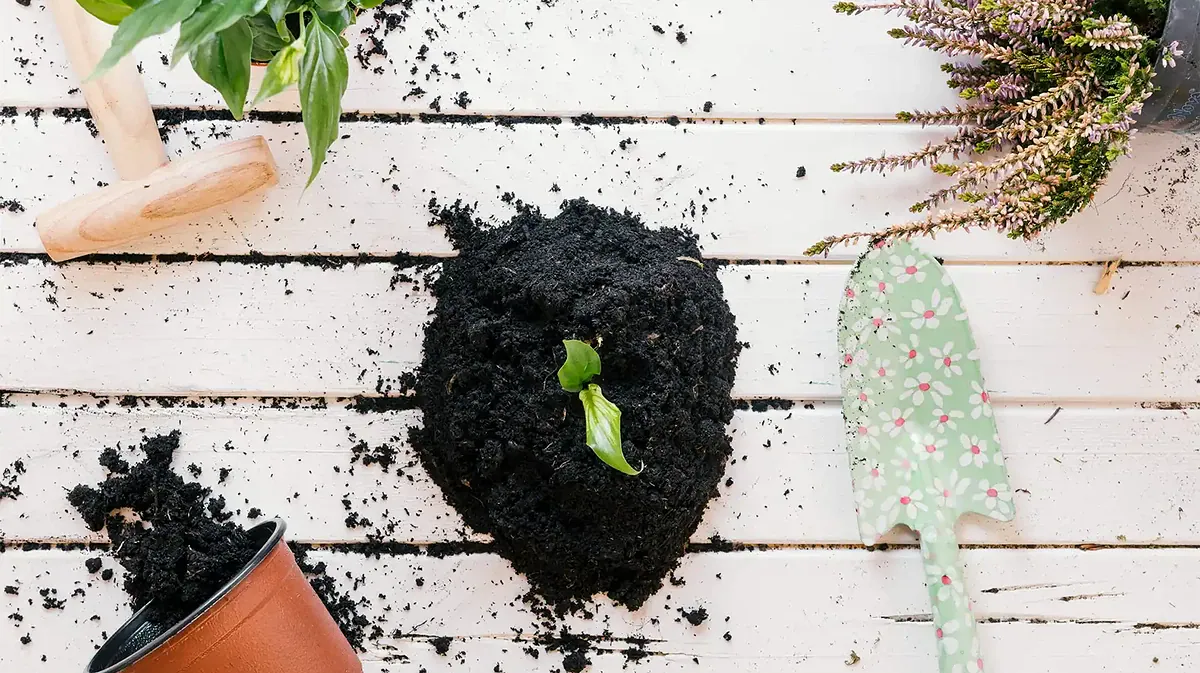
The biochar meaning is simple: it is a carbon-rich material produced by heating organic biomass, such as wood or plant residues, under limited oxygen. This process is known as pyrolysis. Unlike ordinary charcoal intended for fuel, biochar in agriculture is produced and selected for specific uses in soil management. Read our full guide on how biochar improves soil health for the detail.
The pores and surface characteristics of biochar influence how it interacts with water, nutrients and microorganisms in the soil. Some biochars can hold water within their structure, while others can help retain certain nutrients that might otherwise move through the soil.
Its properties vary considerably according to the original biomass and production conditions, which is why the uses of biochar are always linked to which product you choose:
| Type | How It Differs | Good For |
|---|---|---|
| Wood-based | Generally higher pH, good porosity | Balancing acidic potting mixes, moisture retention |
| Crop residue (e.g. rice husk) | Lower pH, finer texture | Sandy or nutrient-depleted beds |
| Horticultural certified | Tested for contaminants, consistent quality | Edible crops, pots and terrace gardens |
Choose biochar intended for agricultural or horticultural use rather than assuming that every charcoal product is appropriate for garden soil. Schemes like the European Biochar Certificate set quality and contaminant limits for different uses.
Why Biochar for Home Gardening Is Trending in India
India has a living tradition of terrace and kitchen gardening, and that tradition is growing faster than ever. Home gardening in India is growing faster than ever before, with a combination of pandemic awareness, rising food concerns, urban density, and social media visibility making it more popular than ever. October to February is the most comfortable planting window across most of the country, making this the ideal time to improve your potting soil and garden beds.
Urban gardeners are also responding to the 2026 rainfall deficit. After India’s weakest monsoon since 2015, growers are looking for ways to help their containers and beds hold on to every drop of water. That makes biochar’s water-retention properties especially relevant this season.
There is also a carbon angle. A 2026 report on India’s biochar market estimates that sustainable biochar use across agriculture and horticulture could contribute to carbon removal at scale. Urban home gardeners are a small but meaningful part of that story.
Benefits of Biochar for Home Gardening
The main advantage of biochar is its potential to improve particular soil properties. The results are not identical in every garden, so it is best viewed as one component of broader soil management alongside vermicompost, compost and mulching.
Supports Soil Moisture Retention
Water availability is important for healthy plant growth. Potting soil in small containers can dry out quickly in warm weather, and sandy garden beds drain fast. Depending on its structure, biochar may help some growing media retain moisture for longer between waterings. This can be especially useful in terrace gardens where pots sit in direct sun. Our dedicated guide on how biochar helps water retention in soil explains this in depth.
Helps Improve Soil Structure
Healthy garden soil needs a suitable balance of air, water and solid particles. Compacted soil restricts root development, while poorly structured potting soil may drain too quickly or stay excessively wet. When incorporated appropriately, biochar may influence aggregation and pore space. For a broader view of soil structure improvement see our guide on how to improve soil fertility naturally.
May Improve Nutrient Retention
Some biochars have surface properties that help retain nutrients, including certain positively charged nutrient ions. This can potentially reduce nutrient losses and improve nutrient availability over time. However, biochar itself does not necessarily provide all the nutrients plants need, which is why combining it with a suitable organic input matters. Using it as an organic soil conditioner alongside compost gives a more balanced result than biochar alone.
Supports Long-Term Soil Management
Biochar contains relatively stable carbon that can remain in soil for extended periods. For gardeners interested in reducing waste and improving soil quality, it may offer a way to use biomass-derived materials responsibly. Its environmental benefits depend on how the biomass is sourced and how the biochar is produced.
How to Prepare Biochar Before Using It in the Garden
Preparation is an important step in successful biochar application. Adding dry, untreated biochar directly to potting soil is not always the best approach, particularly when the product has not been conditioned.
Step 1: Choose a Suitable Product
Purchase biochar from a reliable supplier that identifies it as suitable for gardening or agricultural soil. Where available, look for information about feedstock, production quality and contaminant testing. Avoid painted, treated or chemically contaminated wood products. Do not assume that barbecue charcoal, briquettes or ash-containing products are interchangeable with horticultural biochar. Ecotrails Growme’s Pure Biochar is produced for this kind of use.
Step 2: Check Its Texture
For pots, a consistent, moderately fine texture is usually easier to mix into the growing medium. Garden beds can accommodate a wider range of particle sizes. Avoid breathing biochar dust while handling it. Lightly dampening the material can help reduce airborne particles.
Step 3: Charge or Condition the Biochar
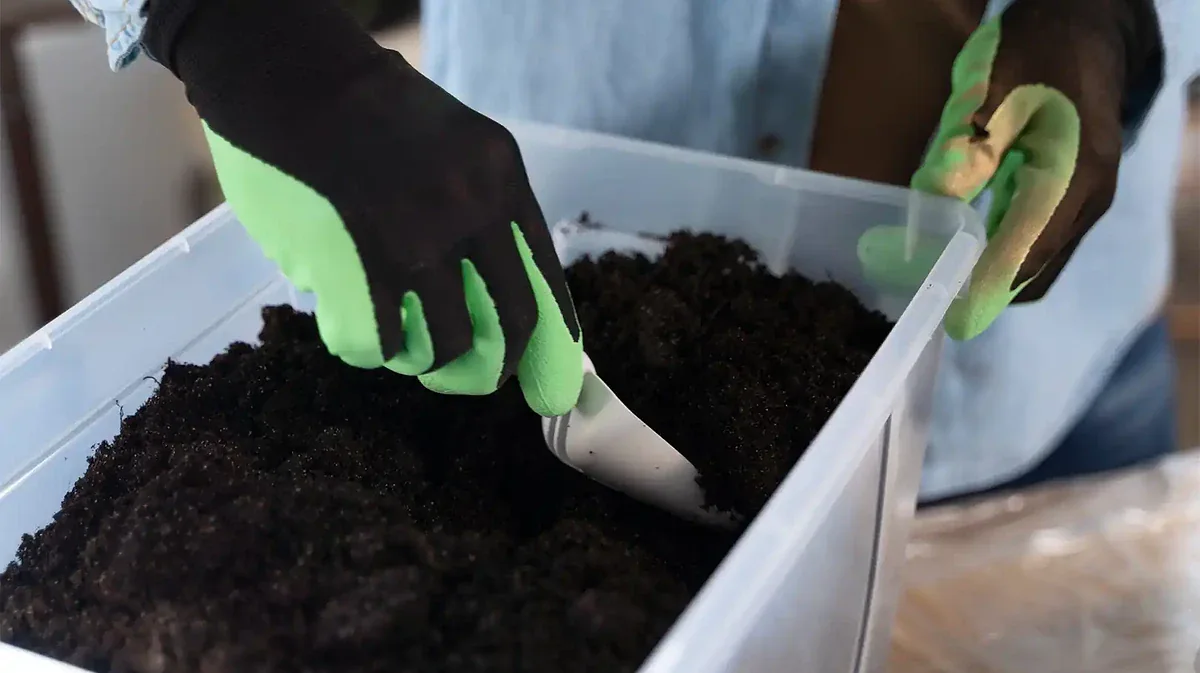
Conditioning, sometimes called charging, involves allowing biochar to interact with nutrient-containing organic materials before it is mixed into the soil. One practical method is to mix it with mature compost or vermicompost and keep the mixture slightly moist for a period before application. This allows the biochar to absorb nutrients and microbial activity.
A suitable liquid organic fertiliser may also be used according to its instructions. Biochar Green combines biochar with multiple nutrient sources and comes pre-enriched so you can skip this step. Avoid fresh manure or unprocessed waste, particularly for edible crops. TNAU’s agritech portal also notes that vermicompost can be used in both irrigated and rainfed areas.
How to Use Biochar in Pots and Containers
Container gardening, whether in grow bags on a terrace or ceramic pots on a balcony, requires care because plants depend on a limited volume of growing medium. Introduce biochar gradually rather than in large quantities.
Mix With Potting Soil
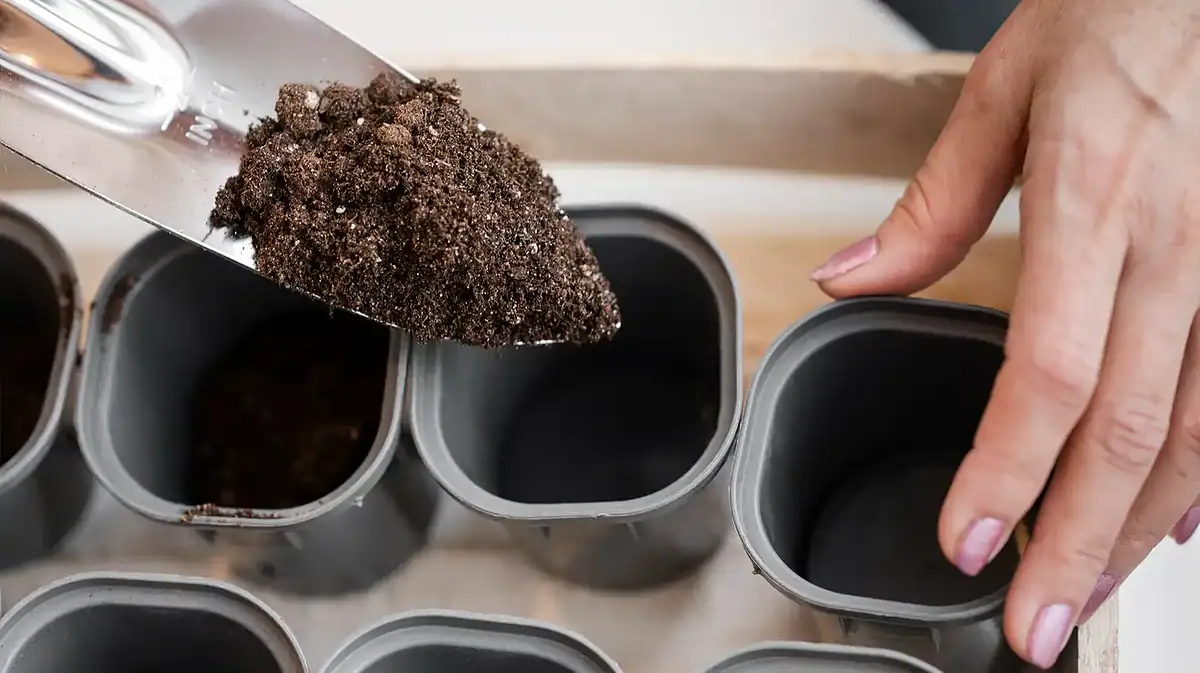
For most home gardeners, mixing conditioned biochar into an existing potting mix is the simplest approach. A conservative starting point is approximately 5% by volume of the total growing medium. For a 10-litre potting mix, that means around 500 ml of biochar, with the remainder being your usual potting soil.
This is a starting point, not a universal recommendation. The suitable proportion depends on the biochar and the plants being grown. Follow the product’s guidance where available and avoid high proportions unless they have been shown to suit your specific growing medium.
Combine With Compost or Vermicompost
Compost contributes organic matter and nutrients, while biochar may influence moisture and nutrient retention. Used together in suitable proportions, they complement one another. For example, a container mix for herbs might include a good commercial potting medium, mature compost or vermicompost and a modest quantity of conditioned biochar. The proportions should still preserve adequate drainage and aeration.
Monitor Watering and Plant Response
After adding biochar, observe how quickly the potting mix dries and how the plants respond. Check the moisture level before watering rather than following a fixed schedule. Some mixes may retain moisture differently after amendment, but the effect is not always predictable. If a plant develops yellow leaves, slow growth or persistently wet roots, investigate drainage, nutrient availability and watering practices before assuming a cause.
How to Apply Biochar to Kitchen and Terrace Garden Beds
Garden beds and grow boxes on a terrace or in a kitchen garden offer more room to work with soil structure, making them suitable for a more planned biochar application.
Assess the Soil First
Consider whether the soil is sandy, clay-rich, compacted or low in organic matter. A soil test can help identify pH and nutrient issues. In India, the government’s Soil Health Card scheme tests 12 parameters and gives fertiliser recommendations, though it is designed primarily for agricultural soils. If the soil is already fertile and well structured, a large biochar application may not provide meaningful benefits.
Apply a Moderate Quantity
There is no single application rate suitable for every garden bed. Follow supplier instructions or recommendations from a local horticultural adviser. Begin conservatively rather than applying a large quantity across the entire garden. Spread the material evenly and incorporate it into the intended soil layer. Avoid creating concentrated pockets of biochar around individual roots.
Combine With Organic Matter
Mature compost, vermicompost, leaf mould and other suitable organic materials help support healthy garden soil. Incorporating these materials alongside appropriately prepared biochar may provide a more balanced approach to soil improvement. Organic matter contributes nutrients and supports soil organisms, while biochar may influence water and nutrient retention. After application, water the bed and monitor plant growth through the season. Mulching the surface after planting also slows moisture loss. The USDA’s Natural Resources Conservation Service describes soil health as a living ecosystem — every input should serve that system.
Which Plants Can Benefit From Biochar in the Home Garden?
Biochar may be useful for a variety of garden plants, but results depend on their growing requirements and the existing soil. General guidelines:
- Vegetables (tomatoes, chillies, leafy greens): may benefit when biochar improves a limiting soil property, provided nutrient and moisture conditions remain balanced. See our for full planting tips.
- Herbs (basil, coriander, mint): can be grown in potting mixes containing a modest amount of suitable biochar. Good candidates for small terrace and balcony pots.
- Ornamental plants: many flowering plants and shrubs can tolerate biochar-amended soil when the mix remains appropriate for their roots.
- Established garden beds: worth considering where soil testing or observation identifies a need for improved properties.
Some plants prefer acidic conditions, such as blueberries. Since biochar can raise soil pH depending on its characteristics, exercise caution with acid-loving plants. Testing pH before and after application is a sensible precaution.
Common Mistakes to Avoid
Even a potentially useful soil amendment can cause problems when applied without considering the growing environment. Avoid these:
- Adding large quantities without checking the product’s properties or the soil condition
- Using charcoal briquettes or treated-wood charcoal as a substitute for horticultural biochar
- Mixing unconditioned biochar into a nutrient-poor potting mix without considering possible nutrient interactions
- Assuming biochar provides all the nutrients plants require
- Ignoring soil pH, especially when growing acid-loving plants
- Allowing fine biochar dust to become airborne during handling
- Expecting immediate improvements without monitoring plant growth over time
A gradual, measured approach makes it easier to assess whether biochar is beneficial in your particular garden. Our biochar vs compost guide can help you decide how to balance these inputs.
Conclusion
Biochar for home gardening can be a useful addition to a thoughtful soil management routine. Depending on its properties and the growing conditions, it may improve moisture retention, influence soil structure and support nutrient management in pots, terrace gardens and kitchen garden beds.
The most reliable approach is to select a suitable horticultural product, condition it before use, and apply it in moderate quantities alongside mature compost or other appropriate growing materials. Always consider soil pH, drainage, plant requirements and existing nutrient levels.
Biochar is not a replacement for good watering practices, balanced nutrition or healthy organic matter management. Its value lies in helping address specific soil needs when used correctly. By starting with a small, well-planned application and monitoring results, home gardeners can make an informed decision about whether it belongs in their growing system. For more practical guides, explore our Resources & Knowledge Centre.
Frequently Asked Questions (FAQs)
What is biochar used for in home gardening?
Biochar is used as a soil amendment that may improve water retention, influence soil structure, and help retain certain nutrients. Its effectiveness depends on the material’s properties and the growing conditions.
How much biochar should I add to potting soil?
A conservative starting point is approximately 5% of the total growing medium by volume, provided the product is suitable for horticultural use. Follow supplier recommendations where available and avoid excessive quantities.
Should biochar be mixed with compost before use?
Conditioning biochar with mature compost can help it interact with nutrients and organic matter before application. This may reduce the risk of unwanted nutrient interactions when it is added to soil.
Is biochar suitable for terrace and kitchen gardens?
Yes, suitable horticultural biochar can be used in terrace and kitchen garden pots and beds when applied appropriately. Choose a reliable product, consider soil pH and nutrient levels, and follow recommended rates, particularly when growing edible crops.
Can biochar replace fertiliser or compost?
No. Biochar is primarily a soil amendment and does not necessarily supply all the nutrients plants need. Compost contributes organic matter and nutrients, while fertilisers can address specific nutrient requirements. Their roles are different, although they may complement one another.
Ready to Try Biochar in Your Garden?
Ecotrails Growme’s Pure Biochar and Biochar Green, which combines biochar with multiple nutrient sources, are designed for exactly this kind of use. Start with one pot or a small bed, watch how your plants respond, then scale up.
Buy Retail or Wholesale Talk to Us